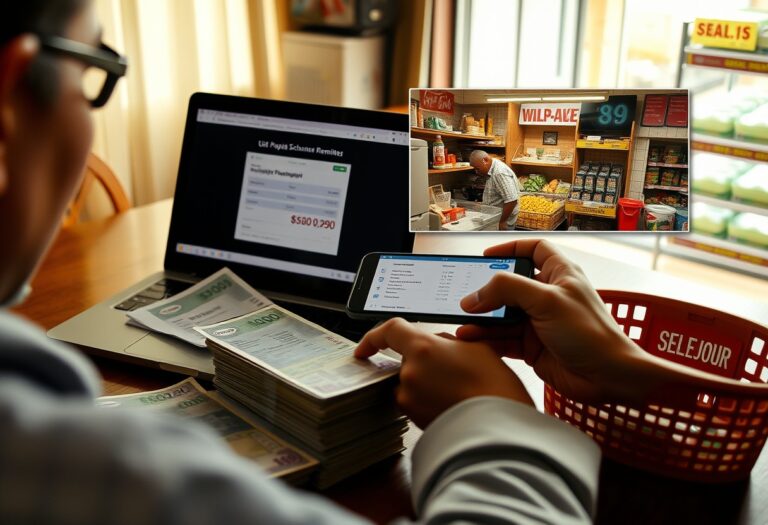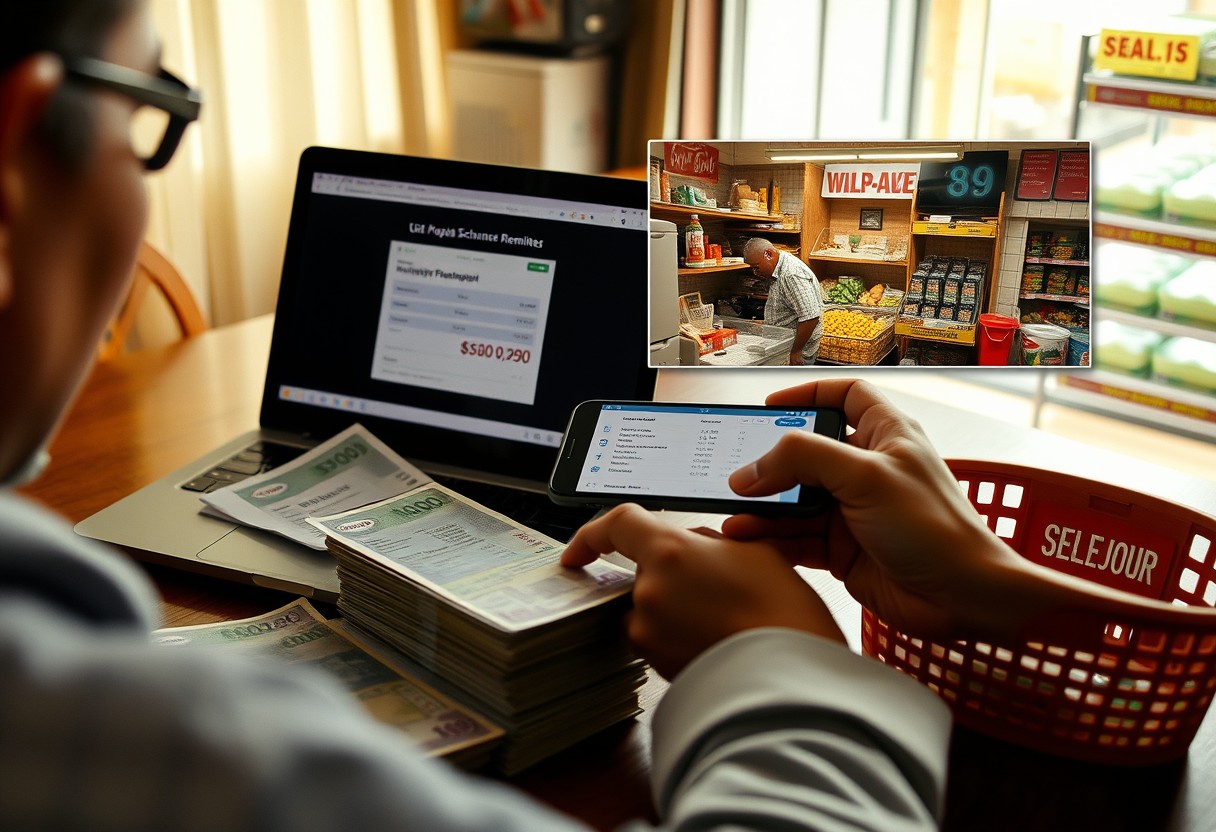

Filipino families have long relied on remittances from overseas workers to support daily living, pay for education, and cover medical needs. These funds, often sent in U.S. dollars, are converted into pesos and stretch across households nationwide, forming a financial backbone for millions. As inflation pushes prices upward, the real value of each dollar sent home diminishes, even if exchange rates appear favorable. A stronger dollar may look promising on paper, but rising costs at home erode its impact, leaving families with less purchasing power than before.
The connection between remittances and household stability is direct and deeply felt. When food, fuel, and utilities cost more, every peso transferred must work harder. For an elderly parent or a young sibling depending on monthly support, higher prices mean delayed repairs, smaller grocery trips, or skipped meals. The strain shows not just in budgets but in routines, choices, and long-term planning. Understanding this dynamic reveals how global economic shifts translate into quiet sacrifices within Filipino homes.
The Illusion of the Strong Greenback
The deceptive rise of the dollar
When the U.S. dollar climbs against the peso, overseas Filipino workers often see larger figures in their remittance receipts. A stronger exchange rate makes each dollar convert into more pesos, creating the impression of increased wealth for families receiving the funds. This numerical boost can feel like a financial win, especially when bills are paid and savings appear to grow. The psychological effect is real-more pesos suggest greater security, more room for spending, and a sense of progress. Banks and remittance centers sometimes highlight favorable rates, reinforcing the idea that a high dollar means better outcomes. Yet this perception hinges on a fragile assumption: that the value of money remains stable once it enters the local economy.
Households may plan bigger purchases or send children to better schools based on these windfalls, believing their financial standing has improved. Relatives might even expect larger contributions during holidays or family events, assuming the sender now has more to give. But the expanded peso amount does not automatically translate into expanded access to goods or services. The exchange rate alone does not reflect how much a kilo of rice or a liter of fuel actually costs at the market. Without adjusting for local prices, the apparent gain becomes a mirage-one that shapes expectations and spending habits in ways that may soon prove unsustainable.
Why the local currency loses its bite
Inflation quietly erodes what the peso can buy, even as exchange rates suggest otherwise. A rising dollar may deliver more pesos to a recipient’s account, but if prices for basic goods climb faster, the added digits offer little real relief. The currency’s purchasing power shrinks not because of remittance patterns, but due to broader economic forces-imported inflation, supply chain delays, and domestic production costs. Since the Philippines relies heavily on imported fuel, food, and raw materials, global price shifts directly affect local shelves. When the peso weakens over time, these inputs become costlier, and businesses pass those expenses to consumers.
Monetary policy and trade imbalances also play a role in the peso’s gradual depreciation. Interest rate decisions, foreign investment flows, and national debt levels all influence how the currency holds up in international markets. Even with steady remittances, the peso’s value is subject to forces beyond the control of ordinary families. The result is a quiet but persistent decline in what each peso can secure, particularly for essentials. A family might receive 10% more in remittance value, yet face a 15% increase in their utility bills and grocery expenses. The extra pesos vanish quickly, absorbed by a system where money no longer stretches as far as the numbers imply.
The Erosion of the Grocery Bag
Even as remittances from overseas Filipino workers reach record levels, the value of each peso sent home continues to shrink in the marketplace. Inflation has steadily eroded purchasing power, particularly for essential goods like rice, vegetables, and protein sources, making the contents of a typical grocery bag more expensive than in previous years. A basket of food items that once cost 1,500 pesos now demands 1,800 or more, with little improvement in quality or quantity. Families relying on monthly remittances feel the strain as the same amount of foreign currency buys fewer items each season. The rising cost of transportation and distribution adds further pressure, pushing prices upward regardless of global exchange trends. What arrives from abroad may appear substantial on paper, but its real-world impact at wet markets and neighborhood sari-sari stores tells a different story.
Exchange rate gains offer little relief when domestic prices climb faster than currency values stabilize. Imported goods are not the only concern-locally produced staples are also affected by increased input costs, from fertilizer to fuel. As a result, even households receiving consistent remittances must adjust their diets, substituting meat with cheaper alternatives or reducing meal portions. The psychological toll of these adjustments often goes unmeasured, but it is deeply felt at the kitchen table. A stronger dollar does not translate into fuller plates when inflation outpaces every gain, leaving families to absorb the difference in silence.
Rising costs at the local stall
At neighborhood markets across Metro Manila and provincial towns, vendors report steady increases in the prices of fresh produce, meat, and seafood. A kilo of chicken that sold for 180 pesos two years ago now averages 240, while tomatoes and onions frequently double in price within a single season due to supply disruptions. These fluctuations hit remittance-dependent families hardest, as their budgets are often planned months in advance based on expected exchange rates. When prices surge unexpectedly, households have little room to absorb the shock. Some resort to buying in smaller quantities more frequently, though this often leads to higher cumulative spending. Children may notice the change first-fewer fruits in their merienda, or the absence of favorite dishes once considered staples.
Market stall owners do not set these prices alone. They face rising costs from transport, packaging, and wholesale suppliers, all of which reflect broader inflationary trends. Fishermen bring in smaller catches due to weather patterns, farmers lose harvests to pests or drought, and fuel prices influence every link in the supply chain. As a result, even basic meals require more careful planning and tighter spending. A family receiving 20,000 pesos from abroad may find that the same amount covers only 80% of the groceries it did three years prior. The physical weight of the grocery bag hasn’t changed, but its contents have grown noticeably thinner.
The burden of utility bills
Electricity and water bills have become a growing share of household expenses, often consuming a quarter or more of a family’s monthly remittance income. In recent years, power rates have climbed due to higher generation costs and transmission charges, with summer months bringing especially steep increases. A typical household in a suburban compound may see its electric bill rise from 1,500 to over 2,500 pesos without any change in usage patterns. Air conditioning units run longer to combat rising temperatures, and refrigerators work harder, both driving up consumption. Families that once left lights on or charged multiple devices without concern now track every watt, unplugging appliances and relying on natural light whenever possible.
Water costs have followed a similar trajectory, particularly in areas where service providers have implemented rate hikes or tiered pricing. With no public subsidies to cushion the impact, households must choose between paying full utility rates or cutting back on other essentials. Some families limit showers, reuse laundry water, or collect rainwater for cleaning. Others delay appliance repairs, risking longer-term damage. These daily trade-offs reflect a quiet recalibration of comfort and necessity. A remittance that once covered rent, food, and utilities with a small surplus now barely stretches to meet fixed bills, leaving little for emergencies or education. The peso’s weakness against inflation turns every kilowatt-hour into a financial calculation.
The Weight of the Distance
Distance does more than separate loved ones. It stretches budgets until they tear at the seams, forcing families to weigh immediate hunger against long-term hope. With each peso losing ground to inflation, remittances that once covered rent, medicine, and school supplies now barely stretch past the first week of the month. Parents find themselves choosing between paying for a child’s transportation to school or adding an extra kilo of rice to the table. These are not rare dilemmas but monthly calculations etched into the lives of millions. The emotional toll is quiet but deep-children notice when textbooks go missing or when enrollment is delayed without explanation.
Even modest dreams require sacrifices that grow heavier with time. A daughter’s college application might be postponed indefinitely, not from lack of ambition but because the family cannot absorb the cost of tuition alongside rising water and electricity bills. Some parents sell heirlooms or take on additional local work just to preserve the appearance of stability. Others rely on rotating credit among neighbors, knowing one missed payment could unravel trust built over years. Each decision reflects a recalibration of dignity, where survival reshapes what is possible.
Education versus daily bread
Every school year, thousands of families confront the same painful equation: invest in education or feed the household today. Tuition fees may remain fixed, but the value of remitted dollars declines steadily, leaving less for books, uniforms, and transportation. A working mother in Dubai might send the same amount each month, yet her sister managing expenses at home finds it covers only half the grocery list it did three years ago. When shelves run bare by mid-month, school becomes a luxury deferred. Children are pulled from private institutions and enrolled in overcrowded public schools, if they attend at all.
Some parents ration their children’s ambitions as carefully as they ration electricity. A son’s dream of studying engineering may be set aside while the family prioritizes insulin for a diabetic grandparent. Tutoring is eliminated, extracurriculars dropped, and classroom contributions skipped-all silent withdrawals from a child’s future. In rural provinces, adolescents often leave school early to join the labor force, mirroring the path of the overseas worker they depend on. Education slips from necessity to aspiration, attainable only when inflation relents and remittances regain lost ground.
The pressure on the provider
Overseas workers carry more than suitcases when they board flights-they carry the weight of entire households on their shoulders. A construction worker in Saudi Arabia may earn triple what he did in Manila, but the expectation to maintain that income amid rising costs leaves little room for setbacks. One injury, one contract lapse, and the ripple reaches across seas: a younger sibling’s scholarship collapses, a roof repair is abandoned, meals shrink. The psychological burden is immense, often unspoken, as providers hide fatigue and loneliness behind weekly calls filled with reassurances.
Many extend contracts beyond their breaking point, skipping vacations and medical checkups to avoid gaps in income. Some take second jobs during off-hours, working late shifts despite exhaustion. Remittances are not just financial transfers but emotional anchors-proof that sacrifice has purpose. Yet when prices climb faster than wages abroad, even relentless effort feels insufficient. The provider’s self-worth becomes tied to the exchange rate, measured in how many kilos of rice their paycheck can buy back home. Their resilience is tested not once, but every month anew.
The Discipline of the Centavo
For millions of Filipino households sustained by overseas work, every centavo transferred across borders carries more than monetary value-it bears expectation, sacrifice, and survival. With inflation eroding purchasing power, even steady remittances stretch less each month. Families are no longer reacting to price increases; they are recalibrating entire financial ecosystems to preserve stability. This shift demands relentless attention to detail, turning everyday spending into an act of resistance against economic drift. The discipline lies not in grand gestures but in consistent, small choices-measuring rice portions, delaying nonessential repairs, or substituting branded goods for house labels. These habits, once seen as temporary fixes, now form the backbone of long-term household resilience.
Stability in uncertain times emerges not from higher income but from structured frugality. Many families now track expenses with the precision of accountants, using simple spreadsheets or handwritten ledgers to monitor inflows and outflows. Weekly reviews replace impulsive decisions, ensuring that no peso leaks unnoticed. This level of control transforms remittances from passive income into active tools of financial defense. When prices climb unpredictably, having a system in place allows for swift adaptation without panic. The practice cultivates awareness, making every expense justify its place in the budget. Over time, this routine becomes second nature-an invisible shield forged through repetition, foresight, and quiet determination.
Cutting the fat from the budget
Households receiving remittances are re-evaluating every line item in their monthly spending, distinguishing between needs and luxuries with new rigor. A family might switch from commercial detergent to bar soap, or replace bottled water with filtered alternatives, saving hundreds of pesos each month. Children accustomed to pre-packed snacks now bring leftovers from breakfast, while utility use is monitored down to the hour. Even transportation costs are reduced by consolidating errands and relying on shared rides. These adjustments, though modest individually, accumulate into meaningful buffers against rising prices.
Some families have eliminated subscriptions they once considered essential, from streaming platforms to mobile data plans exceeding actual use. Others negotiate with landlords for extended payment terms or move closer to schools and markets to cut travel expenses. Vendors at public markets report increased bargaining, with buyers comparing prices across stalls before making purchases. This heightened scrutiny reflects a broader cultural shift: wastefulness is no longer tolerated, even in small amounts. Every saved peso is redirected toward core needs like food, medicine, and education, reinforcing household sustainability amid persistent inflation.
Saving for the rainy days
Despite tighter budgets, many families prioritize setting aside small amounts regularly, treating savings as non-negotiable. A portion of each remittance-sometimes as little as fifty pesos-is placed in sealed envelopes labeled for emergencies, medical needs, or school supplies. These micro-savings, often kept at home in coin banks or entrusted to cooperative groups, grow slowly but steadily over time. The habit instills confidence, offering psychological relief knowing that some cushion exists when crises arise.
Community-based savings circles, known locally as *paluwagan*, have seen renewed participation as formal banking remains inaccessible or untrusted by some. Members contribute fixed amounts weekly, rotating payouts among participants or holding funds collectively until needed. Others open low-maintenance passbook accounts at rural banks, where deposits earn minimal interest but remain secure. The goal isn’t wealth accumulation but continuity-a way to ensure that sudden illness, job loss, or typhoon damage won’t force debt or drastic cuts. In this context, saving is not optimism; it’s preparation woven into daily life.
The Pillar of a Fragile Economy
Filipino families feel the weight of economic instability daily, yet the national balance sheet leans heavily on money sent home by overseas workers. These remittances act as a financial anchor, propping up consumer spending even when domestic productivity lags. Without them, the peso would likely face sharper depreciation and inflation could spiral beyond current levels. The labor of millions abroad substitutes for structural weaknesses in local industry, governance, and job creation. This reliance reveals a paradox: national stability is sustained not by internal strength but by the sacrifice of those living outside their homeland. Their earnings pay for school tuition, medical bills, and housing-keeping households afloat while the economy remains vulnerable to external shocks.
Government revenues benefit indirectly from remittance-fueled consumption, as value-added taxes accumulate from imported goods and daily purchases. Yet this inflow does not translate into long-term industrial growth or technological advancement. Instead, it reinforces a cycle where economic survival depends on sending more workers overseas. A single downturn in host countries can disrupt the flow, exposing how fragile the foundation truly is. No amount of short-term spending can compensate for the absence of self-sustaining production. The country’s resilience appears strong on the surface, but beneath it lies a structure built on the labor of absent parents, spouses, and siblings whose absence carries emotional costs no currency can measure.
Consumption as the engine
Remittances don’t just support individual households-they drive a significant share of national consumption. Money wired home often moves directly into grocery stores, appliance shops, and tuition payments, creating a ripple effect across retail and service sectors. This spending keeps businesses operating, especially small enterprises that depend on steady customer demand. In many communities, the arrival of a remittance means renewed cash flow, enabling local economies to function despite limited infrastructure or public investment. Consumer activity, fueled by foreign earnings, becomes the primary force behind economic movement, overshadowing stagnant wages and underdeveloped industries.
A family receiving funds from abroad typically increases its monthly outlay on food, utilities, and transportation-categories that form the core of domestic demand. This pattern sustains supply chains that might otherwise collapse under weak local purchasing power. Even real estate and vehicle sales see indirect boosts when remittance recipients upgrade homes or purchase secondhand cars. While this spending creates visible economic activity, it rarely leads to reinvestment in productive capacity. Growth remains tied to how much families spend, not how much the nation produces. When prices rise, the same amount of money buys less, slowing the very engine it powers.
The dependency on imports
The Philippines imports a substantial portion of its basic goods, from fuel and medicine to processed food and electronics. Much of what enters Filipino homes arrives through global supply chains rather than local manufacturing. Remittances, often spent on these imported items, reinforce this dependence. A stronger inflow of dollars allows families to maintain access to foreign-made products, but it also reduces pressure to develop domestic alternatives. Supermarkets stock shelves with imported rice, cooking oil, and canned goods, many priced in U.S. dollars, linking household affordability directly to exchange rates and global pricing trends.
Inflation hits hardest when global commodity prices climb, pushing up the cost of essentials that cannot be produced locally at scale. Families relying on remittances may absorb some of the shock, but only as long as the peso-dollar rate remains favorable. Once the peso weakens, each dollar sent home buys fewer goods at the store. This dynamic traps the economy in a loop: higher remittances sustain import demand, yet that demand undermines incentives to build local production. Over time, the gap between what the country consumes and what it makes widens, making every price increase abroad a direct threat to household stability at home.

To wrap up
Rising prices have placed immense pressure on Filipino households relying on overseas worker remittances, even as the volume of dollar inflows remains steady. The strength of the U.S. dollar may appear favorable at first glance, but when converted into pesos, the purchasing power of those funds diminishes under inflationary conditions. Families in Manila, Cebu, or Davao find that the same amount of money sent from abroad now covers fewer utility bills, school fees, and grocery trips. Inflation quietly erodes what once seemed like a reliable financial cushion, turning remittances into a shrinking lifeline rather than a growing asset.
The peso’s sensitivity to global economic shifts means that external factors-like interest rate changes in the United States or supply chain disruptions-can quickly translate into harder choices at the household level. A construction worker in Dubai sending 30,000 pesos monthly may not change his contribution, but his sister managing the family budget notices the difference when rice costs more per kilo and electricity rates climb. These remittances remain a cornerstone of domestic stability, yet their real value depends not just on exchange rates but on how far each peso stretches in local markets. For millions, the true measure of support lies not in the amount sent, but in what it can still buy.
About the Author