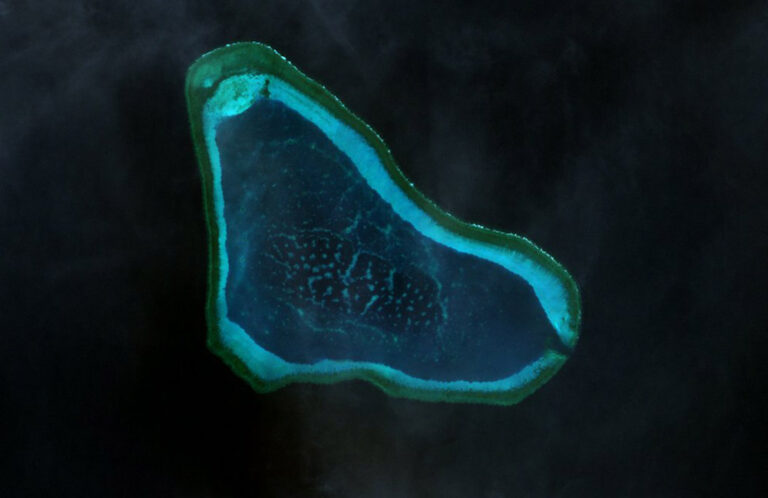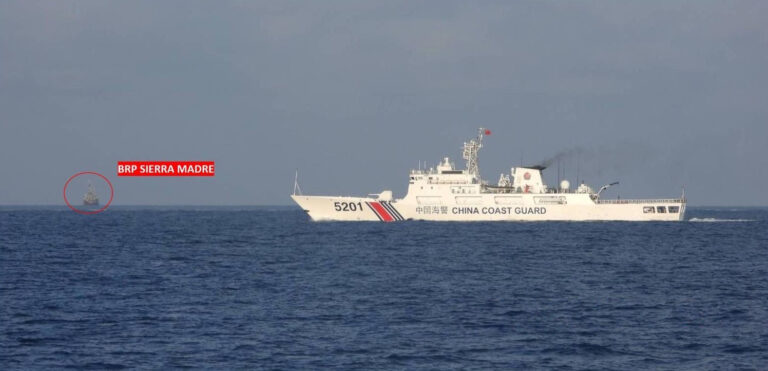
The United States has condemned what it called dangerous blocking and irresponsible maneuvers by Chinese forces that threatened collision and prevented a lawful Philippine resupply mission to Second Thomas Shoal—Ayungin Shoal—on September 24.
The reaction from Washington’s envoy in Manila sharpens the diplomatic edge of last week’s incident: this is no longer only a Philippine operational story. It is now an alliance statement.

What Ambassador Lipton said
US Ambassador Lee Lipton issued a statement condemning China Coast Guard (CCG) and People’s Liberation Army Navy (PLAN) dangerous blocking and irresponsible maneuvers that threatened collision and prevented a lawful, routine resupply to the Philippine outpost at Second Thomas Shoal on September 24.
Lipton said the United States stands by its Philippine allies and called on the CCG and PLAN to cease escalatory tactics. The language is deliberate: “lawful” and “routine” describe Manila’s mission; “dangerous,” “irresponsible,” and “escalatory” describe Beijing’s interference.
What the AFP reported
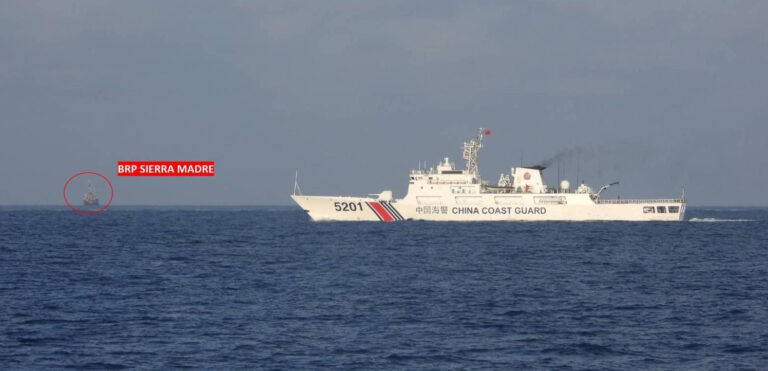
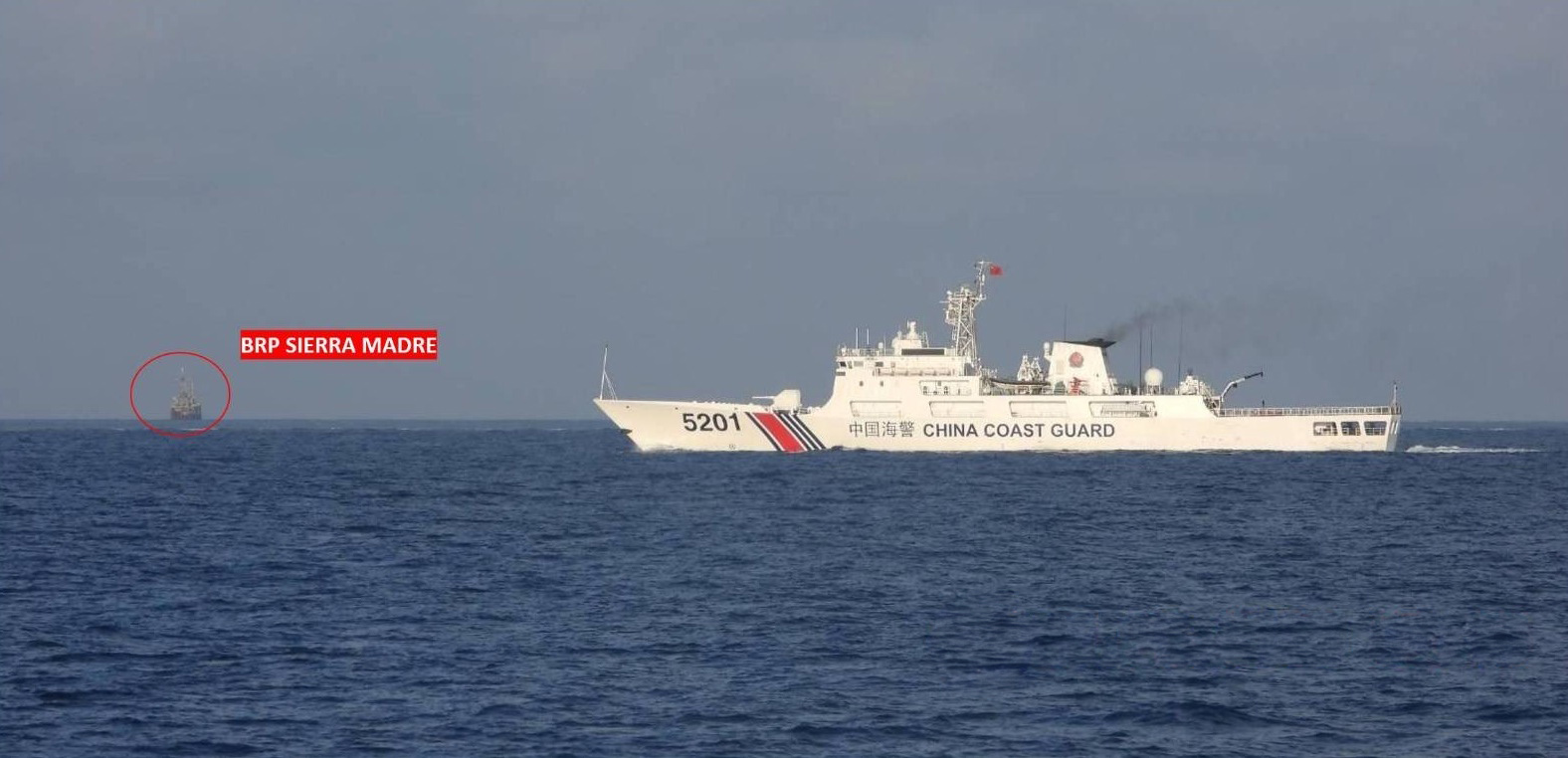
According to the Armed Forces of the Philippines, three Chinese Navy warships and five China Coast Guard vessels—including two Houbei-class missile boats—interfered with the September 24 rotation and resupply (RoRe) mission.
The AFP said the RoRe was suspended for safety. That is the operational core: Philippine forces chose not to push through a collision risk. The outpost on the grounded BRP Sierra Madre still needed supplies; the mission did not get through because Chinese ships blocked the way.
Beijing’s reply
The Chinese Embassy urged the United States to stop “fanning the flames.” The line is familiar—cast Washington as the agitator, not the CCG and PLAN ships that, per the AFP, boxed in a Philippine resupply run.
Filipinos who live with the West Philippine Sea as a daily sovereignty question will hear that reply for what it is: a diplomatic pivot away from the blocking maneuvers themselves.
Why the US angle matters
Manila has already documented the September 24 interference. What is new in this report is the US condemnation—Ambassador Lipton naming CCG and PLAN conduct, affirming the alliance, and demanding that escalatory tactics stop.
That matters for deterrence. When an ally publicly labels dangerous blocking that threatened collision, it raises the political cost of the next attempt to starve or scare off a RoRe. It also tells Filipino sailors and Marines that they are not alone on the water.
It does not, by itself, put food and fuel on the Sierra Madre. Resupply still has to be planned, escorted, and—when necessary—suspended for safety. But diplomatic cover is part of the fight, and Lipton put it on the record.
What to watch
- Whether the next Ayungin RoRe proceeds without CCG/PLAN blocking;
- Whether other allies echo Lipton’s condemnation;
- How Beijing follows its “fanning the flames” line with action—or more interference—at sea.
Ayungin is a Philippine outpost on Philippine features in the West Philippine Sea. A routine resupply should not require a collision warning. The United States has now said so out loud. China can cease the escalatory tactics—or own the next crisis it creates.
Reporting based on Philstar coverage by Pia Lee-Brago (September 28, 2026).
About the Author