Photo: Philippine Navy / Wikimedia Commons
Manila does not need slogans about the West Philippine Sea. It needs logistics, sensors, ships that can stay on station, and allies who treat coercion as something to be deterred — not debated into exhaustion. In 2026, that is exactly the direction Philippine and U.S. officials have been spelling out in public.
What the February 2026 dialogue actually said
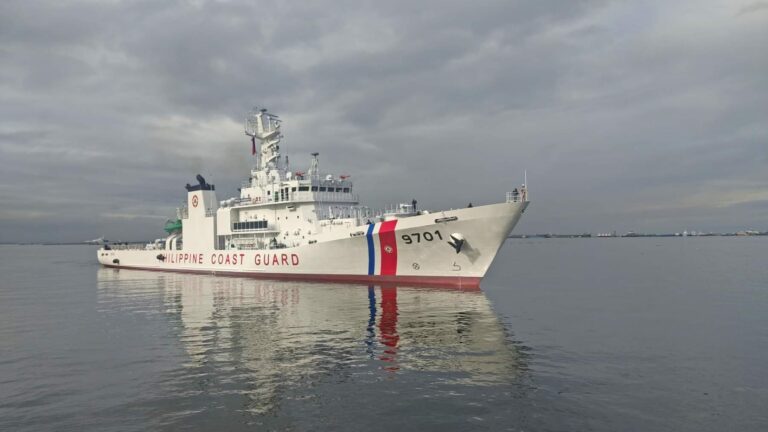
On February 16, 2026, senior Philippine and U.S. officials met in Manila for the 12th Bilateral Strategic Dialogue. The joint readout that followed was not vague diplomacy. Both sides condemned what they called China’s “illegal, coercive, aggressive, and deceptive activities” in the South China Sea. They reaffirmed that the 1951 Mutual Defense Treaty extends to armed attacks against either country’s armed forces, aircraft, and public vessels — including coast guard ships — anywhere in the Pacific, including the South China Sea.
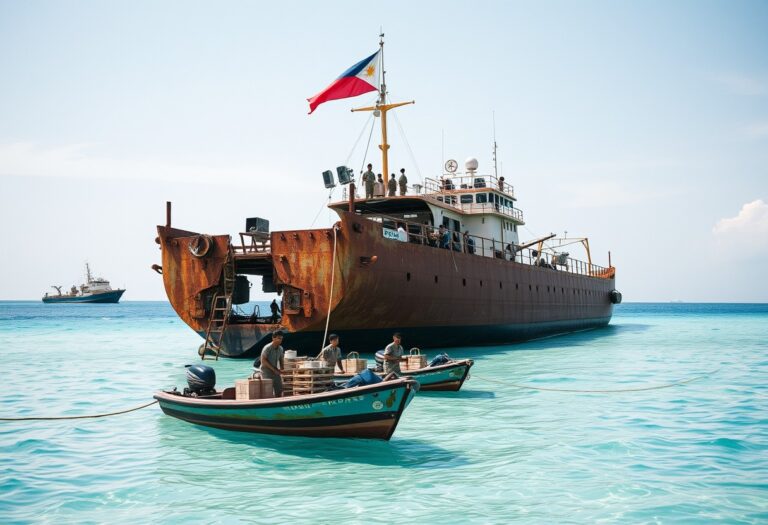
That MDT clarification matters for Filipino fishermen and coast guard crews who have faced water cannons, lasers, and blocking maneuvers in waters Manila calls the West Philippine Sea. A treaty that stops at the waterline of a gray-zone campaign is a treaty that invites more gray-zone campaigns.
$144 million and the unglamorous work of EDCA
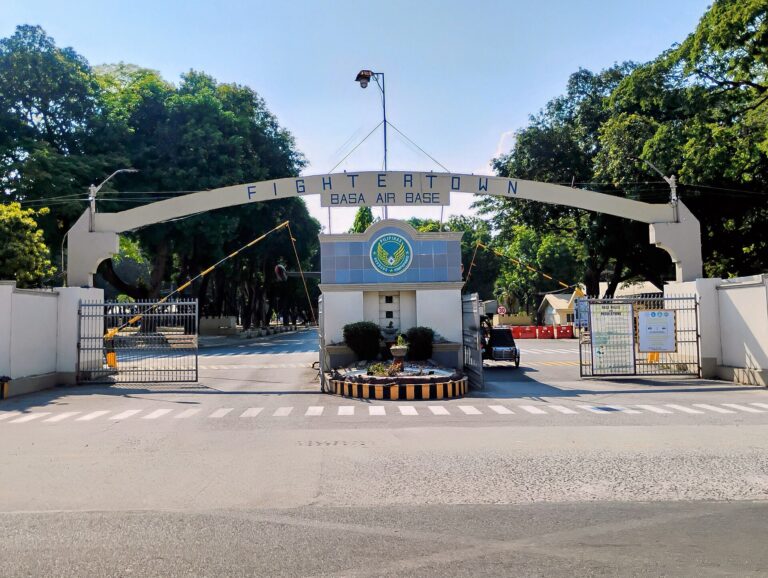
The same dialogue highlighted an additional $144 million appropriation in U.S. Fiscal Year 2026 for infrastructure at Enhanced Defense Cooperation Agreement (EDCA) sites — Philippine bases where U.S. forces have rotational access under the 2014 pact expanded to nine sites in 2023. Warehouses, runways, fuel, and barracks do not trend on social media. They decide whether missiles, patrol aircraft, and unmanned systems can actually operate when needed.
Defense Secretary Gilberto Teodoro Jr., after meeting U.S. Defense Secretary Pete Hegseth, put the point plainly: current EDCA locations would be enhanced for logistical support, and those facilities remain Philippine bases that Manila must also invest in. Hegseth, for his part, stressed that advanced systems mean little without the logistics to sustain them — and framed U.S. policy under President Donald Trump as seeking peace and mutual benefit with allies, not “a lack of resolve.”
Missiles, unmanned systems, and China’s reaction
Public reporting after the February talks also noted plans to continue and increase deployments of U.S. cutting-edge missile and unmanned systems to the Philippines. The Typhon mid-range system deployed to Luzon in 2024 and the Navy Marine Expeditionary Ship Interdiction System (NMESIS) deployed later have remained in the country, according to Philippine ambassador to Washington Jose Manuel Romualdez, as cited in Associated Press and Defense News coverage. Beijing has repeatedly objected to those deployments; Manila and Washington have treated them as deterrents, not provocations for their own sake.
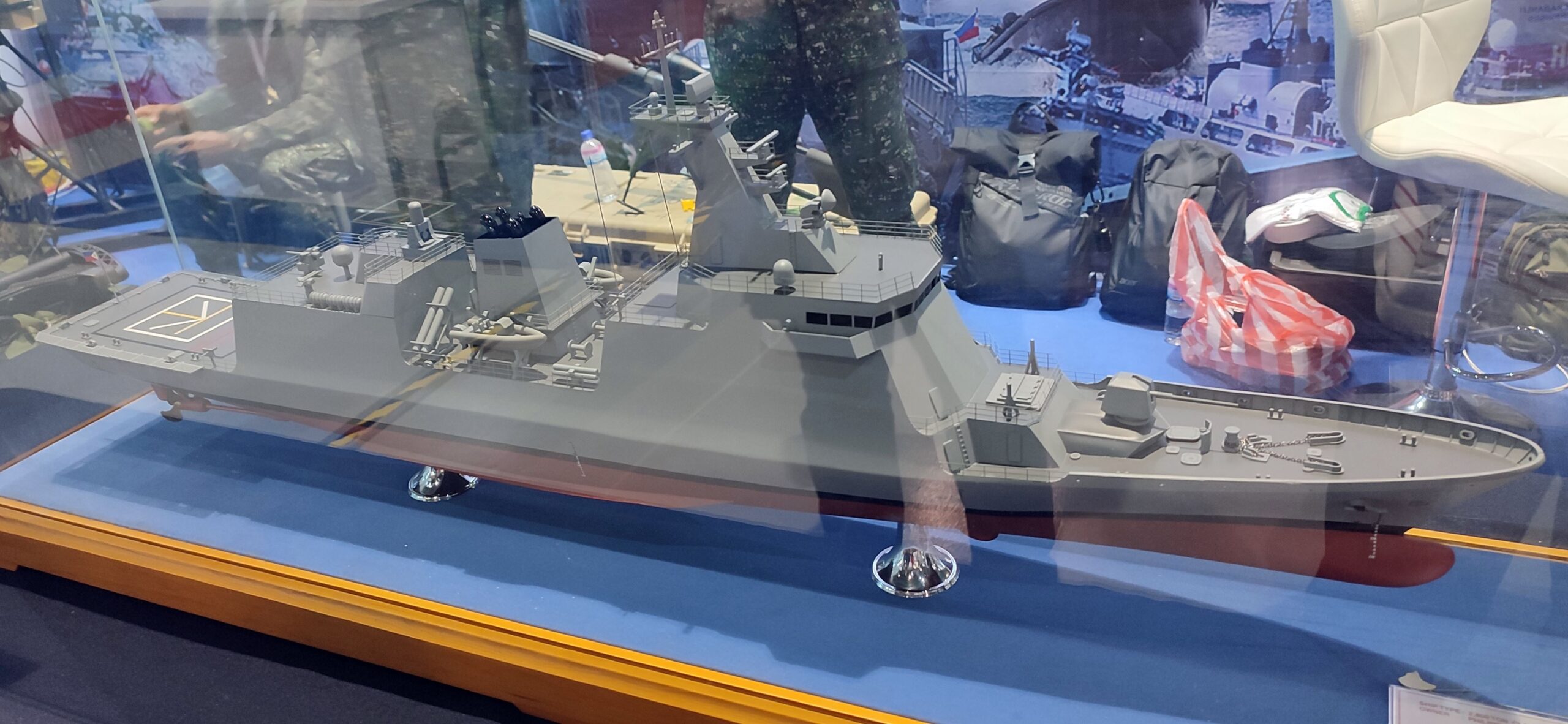
Deterrence is not theater. It is the credible capacity to raise the cost of coercion until coercion stops being the cheap option. For an archipelagic state facing a larger neighbor that contests coastal waters with coast guard and militia pressure, alliance depth is not ideology. It is math.
Peace through strength, Philippine style
U.S. officials have described the approach as “peace through strength.” Philippine officials have described the same work as reestablishing effective deterrence with a treaty ally and like-minded partners — through exercises, interoperability, and realistic training. Neither claim requires inventing crises. The water-cannon incidents, the blocking of resupply and patrol missions, and the contested features nearest the Philippine archipelago are already on the record of regional reporting.
What Filipinos should watch is follow-through: whether EDCA infrastructure is actually built despite land and tenurial delays Teodoro himself has acknowledged; whether maritime cooperative activities with partners continue in the West Philippine Sea; and whether Manila keeps treating the MDT as covering the gray zone rather than waiting for a conventional war that adversaries will try never to declare.
The bottom line for Manila
A Philippines that can monitor, stay, and respond at sea is harder to bully. A Philippines that outsources sovereignty to press releases is easier to push around. The February 2026 Bilateral Strategic Dialogue, the $144 million EDCA commitment, the explicit MDT language on coast guard vessels, and the continued presence of U.S. missile systems on Luzon all point the same way: deterrence first, then diplomacy from a stronger position.
That is not anti-China nationalism for its own sake. It is the sober conclusion that international law in the South China Sea — including the 2016 arbitral ruling Manila won — only holds when capability backs principle. For Filipino readers who want a national paper that treats the West Philippine Sea as strategy rather than sentiment, the alliance’s 2026 agenda is the story that matters.
About the Author