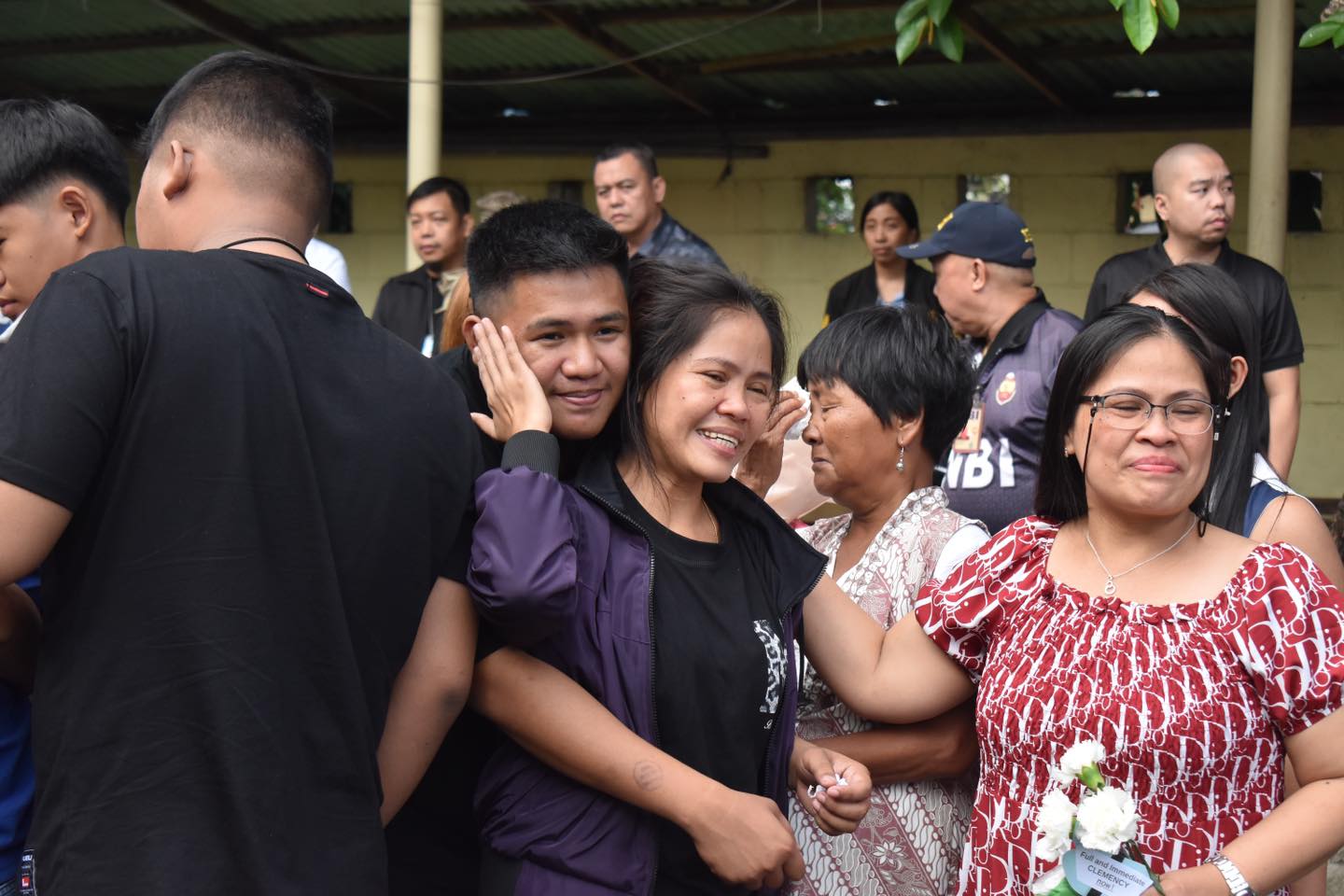
Mary Jane Veloso walked free on Friday, September 25, after President Ferdinand Marcos Jr. granted her an absolute pardon—ending nearly 15 years of imprisonment that began with a death sentence in Indonesia and ended with a release order handed over inside a Mandaluyong prison.
The scene at the Correctional Institution for Women was bureaucratic and human at once: papers signed, a gate opening, a woman who had become a national symbol of migrant vulnerability stepping back into Philippine life.
Pardon and release
Bureau of Corrections Director General Gregorio Pio Catapang Jr. handed Veloso the pardon and the release order at the Correctional Institution for Women in Mandaluyong.
The absolute pardon from President Marcos Jr. was signed on Thursday. By Friday, the paperwork had moved from Malacañang to BuCor to the prison gate. Absolute pardon, in Philippine practice, wipes the conviction’s legal effects; for Veloso, it meant freedom after a case that had defined a decade and a half of her adult life.
From Yogyakarta to Mandaluyong
Veloso was arrested in 2010 in Yogyakarta, Indonesia, after 2.6 kilograms of heroin were found in her luggage. She maintained she had been deceived. An Indonesian court sentenced her to death.
Her execution was stayed in 2015 after Philippine government appeals—an intervention that kept her alive while diplomacy and advocacy ground on. In December 2024 she was repatriated to the Philippines to continue serving her sentence at home. Less than a year later, the absolute pardon closed that chapter.
Nearly 15 years. A death row that did not end in a firing squad. A repatriation. And then, on a Friday in Mandaluyong, a release order in her hands.
A nation that watched
Veloso’s case was never only a criminal file. It became a story about overseas Filipino workers, about how easily a recruit can be used, and about how far a government will go to pull one of its own back from the edge.
Friday’s release does not rewrite 2010. It does not erase the years in an Indonesian cell or the fear of a scheduled execution. It does mark a hard stop: the Philippine state, through an absolute pardon signed by the President and executed by BuCor, chose clemency.
For her family—and for the many Filipinos who followed every stay, every appeal, every rumor of a flight home—that choice is the headline.
What absolute pardon means here
- The President signed the absolute pardon on Thursday;
- BuCor DG Catapang handed the pardon and release order on Friday at CIW Mandaluyong;
- Veloso’s imprisonment—nearly 15 years, including the Indonesian chapter and the post-repatriation term—ended with that release.
There will be more to her story outside the walls: reintegration, privacy, the long work of living after surviving. Those chapters belong to her. The public chapter that began with a luggage search in Yogyakarta ended, for the state’s purposes, with a pardon in Mandaluyong.
Mary Jane Veloso is free. After everything the country watched her endure, that sentence finally needs no qualifier.
Reporting based on Manila Times coverage by Arlie O. Calalo (September 25, 2026).
About the Author