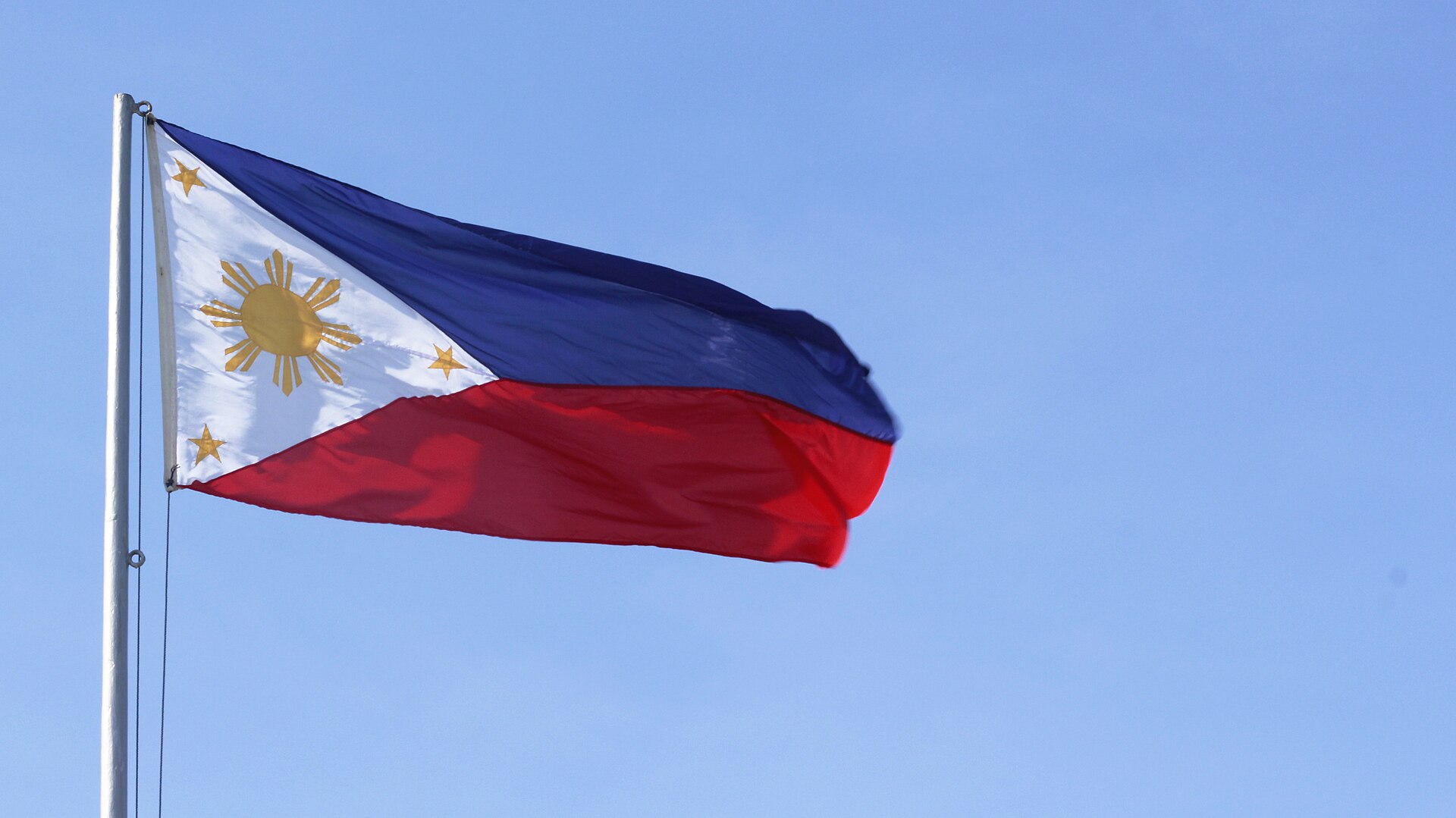
Photo: Alloizajean / Wikimedia Commons (CC BY-SA 4.0)
Opinion. This is an editorial column, not a news report. It argues from a public record every Filipino already knows: that for years, communities lived with the fear of street crime and drug-fueled disorder — and that a large share of the electorate rewarded the politics of discipline precisely because daily life felt unsafe.
As of mid-September 2026, former President Rodrigo Duterte remains detained at the International Criminal Court Detention Centre in Scheveningen, The Hague. ICC Trial Chamber III unanimously ordered continued detention after a status conference on September 16, citing risks of absconding or obstruction of proceedings. His trial is scheduled to open on November 30, 2026. He was arrested in March 2025 at Ninoy Aquino International Airport Terminal 3 and faces charges of crimes against humanity linked to the anti-drug campaign. Those are facts, reported by Philippine and international outlets and reflected on the ICC’s own case page. What follows is argument about what those facts mean for a republic still wrestling with order, fear, and political memory.
The memory of the streets
Before the courtroom in The Hague became the center of the story, the story for millions of Filipinos was simpler and closer to home. Neighborhoods where shabu was sold in plain sight. Families who locked gates early. Parents who chose routes home based on which blocks felt less dangerous after dark. Whether one supported every method of the Duterte years or not, the political mandate of 2016 was not abstract: voters elevated a mayor known for hard order in Davao and demanded that the same urgency be applied nationally.
That mandate did not erase the moral and legal questions now being litigated abroad. It does explain why “discipline” and “order” remain live words in Philippine politics rather than museum pieces. A national paper that treats public safety as optional rhetoric insults the lived experience of people who never had gated villages or private security.
Accountability without amnesia
Accountability and amnesia are not the same thing. Courts exist to test allegations under rules of evidence. Filipinos should insist on due process for the accused precisely because a country that abandons process becomes the thing it claims to fight. At the same time, due process is not a demand that the public forget why so many households once cheered a president who spoke bluntly about criminals and drugs.
The ICC case will unfold on its own calendar. Pre-Trial Chamber I confirmed charges in April 2026; Trial Chamber III is now managing detention and fitness questions ahead of a November opening. None of that history requires Filipinos to pretend that the prior decade’s disorder was imaginary, or that “human rights” language has always been evenly applied to victims of street crime and to accused enforcers alike.
The present conflict is about more than one man
Philippine politics since 2022 has hardened into camps: the Marcos presidency and its allies on one side, the Duterte political family and its organized base on the other. The fracture is public, documented, and consequential. What matters for citizens is not loyalty theater. What matters is whether the state can still deliver the basics that made Duterte’s brand resonate: streets that feel safer, institutions that punish predation, and a government that does not treat public fear as someone else’s problem.
If the Duterte years taught anything durable, it is that order is not the enemy of democracy. Disorder is. A republic that cannot protect ordinary people from predation will eventually be governed by whoever promises to do so — carefully or recklessly. The adult response is not nostalgia for every excess of the past. It is a clear-eyed insistence that peace and order remain non-negotiable public goods, even while courts do their work.
What a serious country should demand now
First: keep the distinction between legal process and political erasure. Let the ICC case proceed under its rules; do not rewrite local memory to suit foreign fashion.
Second: judge today’s leaders by results on crime, drugs, and street safety — the same metrics that once defined the Duterte appeal — rather than by factional scorekeeping alone.
Third: refuse the false choice between compassion and discipline. Compassion without order abandons the poor to the strongest predator on the block. Discipline without law becomes tyranny. A national newspaper’s job is to hold both truths at once.
Rodrigo Duterte’s fate will be decided in The Hague under charges the Court has confirmed for trial. The country’s fate will be decided here — in whether Filipino politics still treats peace and order as the foundation of everything else. That is not a rant. It is a reminder of why millions voted the way they did, and why the argument over discipline did not end when a plane left Manila for Europe.
The Philippines Web Opinion desk. Feedback welcome via the site’s contact channels.
About the Author