The Enhanced Defense Cooperation Agreement (EDCA) between the United States and the Philippines allows U.S. military forces rotational access to designated Philippine military bases. Signed in 2014, the agreement supports joint training, disaster response, and regional security efforts while respecting Philippine sovereignty. Under EDCA, U.S. personnel can preposition equipment and construct facilities on agreed locations, enhancing military readiness without establishing permanent bases. The arrangement reflects a strategic recalibration amid rising regional tensions and evolving defense needs in the Indo-Pacific.
Over the years, the number of EDCA sites has expanded, with the latest additions underscoring growing alignment between the two treaty allies. These locations are not merely logistical hubs but strategic outposts positioned to respond rapidly to both military contingencies and humanitarian crises. Their geographic placement offers access to key maritime areas, including the South China Sea, where overlapping territorial claims have intensified. The presence of U.S. forces at these sites signals a tangible commitment to regional stability and a shared vision of a rules-based order.
The Geography of the Bases
Northern Luzon Proximate to Taiwan
Four of the nine EDCA sites are clustered in northern Luzon, an area strategically positioned within striking distance of Taiwan. Cagayan’s Camilo Osias Naval Base and Lal-lo Airport anchor this grouping, offering direct access to the Bashi Channel, a critical maritime passage linking the Pacific Ocean to the South China Sea. A third site at Camp Melchor Dela Cruz lies just inland, enhancing overland logistical connectivity. These locations allow rapid deployment of personnel and materiel should regional tensions escalate. Their proximity to Taiwan means U.S. forces can respond quickly to contingency scenarios without relying on distant hubs. Runway upgrades and fuel storage improvements enable sustained air operations, including surveillance and transport missions. The terrain supports dispersed positioning, reducing vulnerability to targeted strikes.
Operating from northern Luzon grants U.S. military planners shorter flight times to potential flashpoints in the western Pacific. This reduces wear on aircraft and increases mission endurance during prolonged operations. Troops stationed temporarily at these bases can conduct joint exercises with Philippine units focused on coastal defense and maritime domain awareness. The region’s relative remoteness also limits public scrutiny compared to installations near urban centers. Yet its infrastructure has seen incremental investment to support rotational deployments. These sites do not host permanent U.S. troops but are pre-positioned with equipment under Philippine oversight. Their geographic value lies in forward positioning without formal basing.
Palawan Facing the Spratly Islands
Westernmost among the EDCA locations is Palawan, where three sites-Antola Island, Balabac, and Puguilam-form a defensive arc overlooking the disputed Spratly Islands. These outposts sit along key sea lanes traversed by commercial and military vessels heading into the South China Sea. Antola Island hosts a radar station capable of monitoring surface and aerial movements deep into contested waters. Balabac’s strategic location enables surveillance of vessel traffic near features occupied by other claimants. The terrain allows for concealed installations that enhance survivability during high-tension periods. Philippine forces use these areas to assert sovereignty while enabling allied access under agreed terms.
From Palawan, U.S. forces gain real-time intelligence on naval activity in one of Asia’s most militarized zones. Rotational presence strengthens interoperability between American and Filipino units conducting maritime patrols. Infrastructure improvements include hardened shelters and expanded docking facilities to sustain longer deployments. Unlike past arrangements, current access emphasizes shared use rather than exclusive control. These sites support domain awareness without provoking direct confrontation. Their placement reflects a calculated effort to balance deterrence with diplomatic restraint in a volatile region.

The Terms of Access
American military presence under the EDCA is strictly rotational, with U.S. forces permitted to occupy designated sites for limited durations. These deployments are not open-ended; they follow pre-coordinated timelines and require Philippine government approval for each entry. Rotational access ensures that American troops and equipment can conduct training, preposition supplies, and support joint operations without establishing a continuous or unregulated footprint. The arrangement allows for rapid deployment during contingencies while respecting the legal and political boundaries set by Manila. Equipment and personnel typically remain for weeks or months, after which they withdraw, maintaining the temporary character of the presence.
Rotational deployments also allow for flexibility in mission planning and force posture adjustments. The U.S. can shift assets between EDCA locations based on strategic needs, enhancing operational unpredictability and readiness. These rotations include air and naval exercises, logistical staging, and maintenance drills, all conducted alongside Filipino counterparts. The temporary nature limits local friction and aligns with Philippine constitutional constraints on foreign military presence. By avoiding permanent stationing, the U.S. maintains military utility while operating within the host nation’s legal and political framework.
Sovereignty and Joint Use
Philippine sovereignty remains central to the operation of EDCA sites, with Manila retaining full authority over all locations. Each facility is jointly managed, and U.S. personnel must comply with national laws and local regulations while on Philippine soil. The host country controls access, and no foreign military activity proceeds without official consent. This joint-use model ensures that Filipino forces have equal access to infrastructure improvements, including upgraded runways, storage facilities, and communication systems. These shared benefits enhance the Armed Forces of the Philippines’ own operational capacity.
Philippine military units co-occupy the sites, conducting parallel training and logistical operations with their American counterparts. Joint use reinforces national ownership and prevents the perception of unilateral foreign control. All construction and infrastructure projects require prior government approval, and ownership of new facilities transfers to the Philippines once built. This arrangement strengthens bilateral trust and ensures that defense cooperation does not compromise national autonomy. The emphasis on shared access reflects a partnership grounded in mutual respect rather than external dominance.
Prohibition of Permanent Bases
The Philippine Constitution explicitly forbids foreign military bases on its territory, a restriction that remains fully in force under EDCA. No U.S. installation qualifies as a permanent base, nor does the agreement grant extraterritorial rights to American forces. Facilities used under EDCA are Philippine-owned and operated, with American access limited to agreed rotational periods. This legal boundary emerged from historical experiences and remains a non-negotiable principle in defense diplomacy. The U.S. does not maintain standing garrisons or independent command structures at any location.
Instead of permanent basing, the U.S. relies on agile, time-bound deployments that align with regional security demands. These rotations allow for strategic presence without violating constitutional prohibitions. The absence of permanent infrastructure controlled by foreign forces reassures domestic audiences and upholds legal integrity. Even long-term prepositioned equipment is stored under joint oversight and subject to removal. This model enables military cooperation while respecting the country’s legal stance against enduring foreign military entrenchment.
The Rationale of Deterrence
China’s increasing assertiveness in the South China Sea has altered the strategic balance in Southeast Asia. The presence of U.S. forces at EDCA sites strengthens the Philippines’ ability to monitor and respond to maritime activities within its exclusive economic zone. By enabling persistent surveillance and intelligence gathering near contested areas, these locations serve as a visible signal that unilateral actions will face scrutiny. The alliance does not seek conflict but aims to prevent miscalculation through transparency and readiness. A stable maritime environment depends on predictable behavior, and the positioning of assets under the EDCA framework contributes to that stability.
Deterrence works not by provocation but by credibility. When potential adversaries recognize that movements in disputed waters can be tracked and responded to in a timely manner, the likelihood of escalation diminishes. The United States and the Philippines share an interest in upholding international law, particularly the 2016 arbitral ruling favoring Manila. These sites enhance the capacity to enforce legal norms without resorting to force. Peace is preserved not through silence, but through the quiet assurance of preparedness.
Monitoring the West Philippine Sea
Satellite imagery and radar systems stationed near EDCA locations allow continuous observation of vessel movements across the West Philippine Sea. Patrol aircraft operating from these bases can cover vast stretches of ocean, identifying unauthorized fishing, shadowy supply routes, and naval buildups before they escalate. Real-time data feeds enable Philippine authorities to document incursions and coordinate responses with regional partners. This persistent oversight challenges the effectiveness of gray-zone tactics, where incremental pressure is used to avoid outright confrontation. With improved domain awareness, Manila gains stronger footing in defending its sovereign rights.
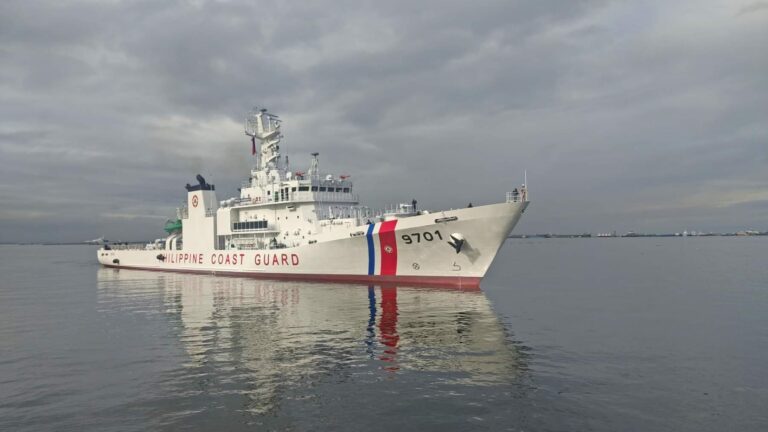
One notable example occurred in 2023 when aerial surveillance from an EDCA-adjacent airfield detected a flotilla of Chinese maritime militia vessels near the Scarborough Shoal. The early warning allowed the Philippine Coast Guard to dispatch assets promptly, maintaining a lawful presence amid rising tensions. Such incidents underscore how physical access to forward-operating locations translates into operational advantage. Monitoring is not merely observational-it shapes decision-making by providing irrefutable evidence and reducing response lag. In contested waters, information often proves as valuable as firepower.
Rapid Deployment Potential
Prepositioned equipment and upgraded runways at EDCA sites cut response times for military and logistical assets during crises. When standoffs occur near remote reefs or shoals, hours matter in projecting presence. U.S. forces can deploy reconnaissance drones, transport aircraft, or maritime patrol units within a short window, reinforcing Philippine claims through timely visibility. This capability discourages opportunistic maneuvers by signaling that delays will not be exploited. Speed transforms deterrence from a static concept into an active shield.
A mid-sized SaaS firm managing logistics for defense contractors once simulated deployment timelines across the South China Sea, revealing that access to northern Luzon bases reduced reaction time by nearly 40% compared to distant alternatives. While classified details remain undisclosed, open-source analyses confirm that rotational deployments have already tested rapid insertion drills near the Spratlys. Forces arriving swiftly can de-escalate situations through presence alone, avoiding the need for more aggressive measures. Mobility, therefore, becomes a cornerstone of restraint.
The Cost of Infrastructure
American investment in Philippine military infrastructure under the EDCA has focused on upgrading existing facilities rather than constructing new bases. Funding flows directly to improvements at designated sites, including airfield runways, fuel storage tanks, and maintenance hangars. These enhancements enable U.S. forces to deploy aircraft more rapidly and sustain operations during extended missions. The Pentagon has allocated hundreds of millions of dollars across multiple fiscal years, with work carried out by Filipino contractors using local materials where possible. This financial commitment reflects a strategic interest in maintaining forward-deployed capabilities without permanent stationing.
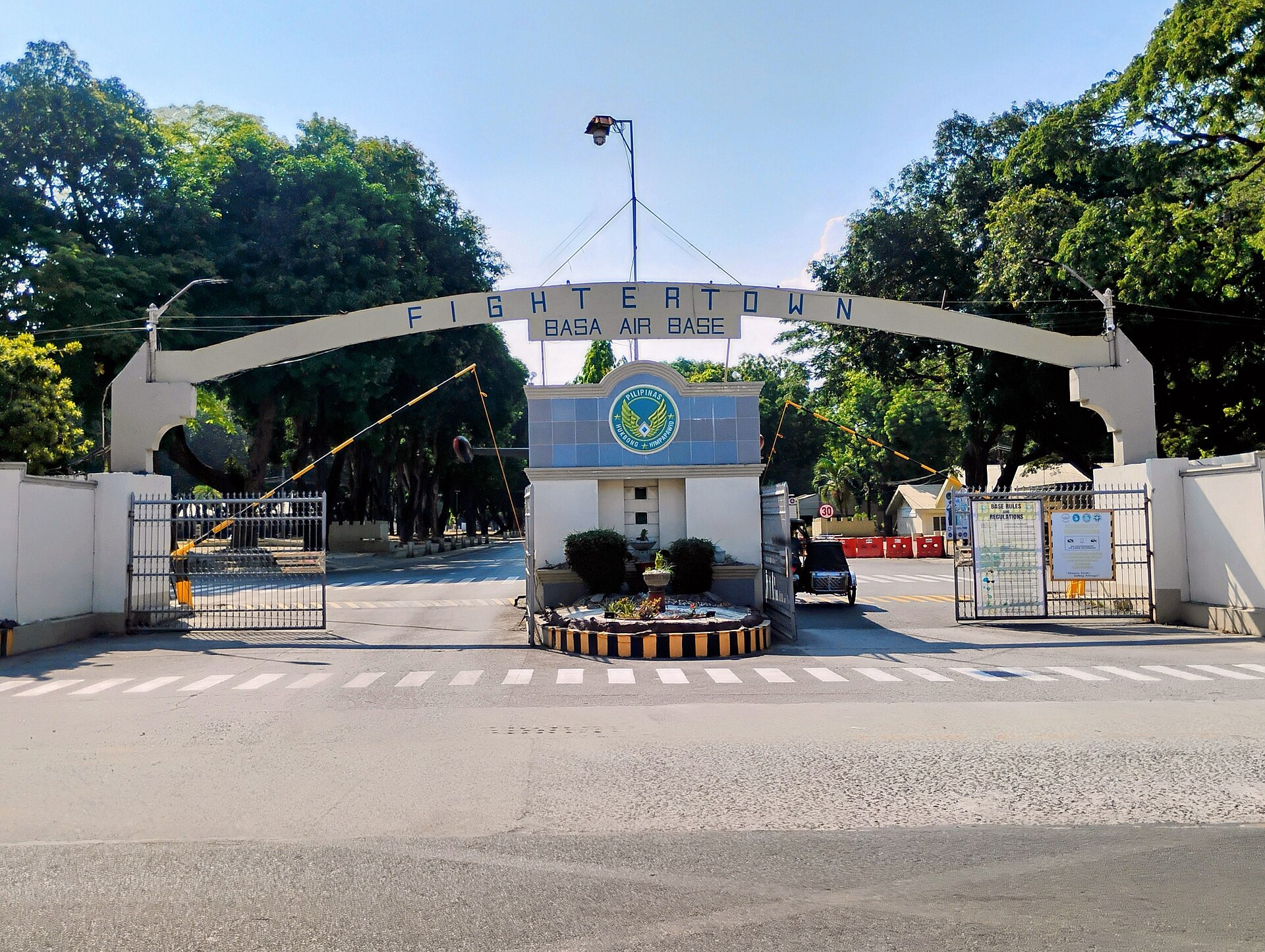
Construction timelines are closely coordinated between defense officials from both nations, ensuring compliance with environmental and legal standards. Each site undergoes rigorous assessment before work begins, factoring in logistical demands and regional security conditions. Upgrades have included reinforced aircraft shelters at Basa Air Base and expanded fuel bladders at Antonio Bautista Air Station. These projects not only improve operational reach but also adhere to bilateral agreements limiting the scope and duration of U.S. presence. The physical footprint remains constrained, yet sufficient for rotational deployments and contingency operations.
Operational Readiness Upgrades
Runway extensions and pavement strengthening allow heavier military aircraft to land and take off under varied conditions. At Lumbia Airfield in Cagayan de Oro, recent resurfacing enables C-130s and surveillance planes to operate even during monsoon seasons. These modifications reduce downtime and increase the reliability of rapid response missions. Power generation systems have also been overhauled to support radar installations and communication arrays essential for command coordination.
Fuel storage capacity has seen significant expansion at several locations near the South China Sea. Prefabricated bladders and protected tanks now hold enough aviation fuel to sustain prolonged air operations without immediate resupply. At Palawan’s Puerto Prinsesa Airfield, these additions support maritime patrol flights monitoring disputed waters. Such upgrades do not alter sovereignty arrangements but enhance interoperability during joint exercises and emergency deployments. The focus remains on readiness, not permanence.
Joint Training Facilities
New barracks and multipurpose buildings host combined drills involving American and Philippine service members. These structures accommodate live-fire simulations, urban warfare scenarios, and logistics coordination exercises. At Camp Melchor Dela Cruz in Isabela, a dedicated training complex supports battalion-level maneuvers that mirror real-world defense contingencies. Shared access to these spaces strengthens tactical alignment and streamlines decision-making during fast-moving situations.
Communication hubs integrated within training zones allow encrypted data exchange between allied units. Real-time tracking systems and shared command posts improve situational awareness during large-scale drills. Exercises like Balikatan have utilized upgraded ranges to test amphibious landings and air defense responses. These facilities serve as platforms for standardizing procedures while respecting national laws governing foreign troop activities. The emphasis is on collaboration through structured, transparent engagement.
The Utility of Disaster Response
Natural disasters strike the Philippines with alarming frequency, making rapid response a matter of national necessity. The EDCA sites play a critical role in these moments, serving as staging grounds for humanitarian aid and emergency operations. When typhoons, earthquakes, or volcanic eruptions disrupt transportation and isolate communities, military infrastructure becomes a lifeline. These facilities allow for the swift arrival of medical teams, food supplies, and engineering units. Helicopters and transport aircraft can deploy directly from EDCA locations, cutting response times in regions where roads are impassable or ports damaged. The presence of prepositioned equipment and coordinated logistics planning ensures relief efforts begin within hours, not days.
Coordination between Filipino and American forces during emergencies has repeatedly proven effective. Joint exercises often include humanitarian scenarios, ensuring both militaries are prepared to act together when disaster hits. In past emergencies, U.S. forces operating from EDCA sites have delivered thousands of tons of aid, restored temporary communications networks, and provided medical care in remote provinces. The ability to respond quickly strengthens public confidence in national defense institutions and underscores the practical benefits of military cooperation. These operations, while non-combat in nature, demonstrate how defense agreements can yield tangible civilian outcomes when crises unfold.
Prepositioned Relief Supplies
Storage facilities at EDCA sites house essential humanitarian materials before disasters occur. These caches include water purification units, emergency shelters, medical kits, and portable power generators. Positioning supplies in advance eliminates delays caused by international shipping or customs processing during emergencies. The Philippines’ archipelagic geography makes such readiness indispensable, especially for islands far from major urban centers. When Typhoon Haiyan devastated the Visayas in 2013, the absence of nearby stockpiles hampered early relief. Today, prepositioned assets at EDCA locations reduce that vulnerability. U.S. and Philippine forces jointly manage inventory, ensuring supplies remain usable and strategically located.
Rotating and maintaining these stocks also builds sustained military-to-military coordination. Supplies are periodically inspected, replenished, or redistributed based on risk assessments and seasonal threats. This ongoing process strengthens logistical planning and interoperability between the two armed forces. In the aftermath of a disaster, personnel can immediately access what is needed without waiting for external shipments. A mid-sized SaaS firm might rely on cloud backups, but in disaster response, physical readiness is irreplaceable. Prepositioned materials at EDCA sites serve as a concrete form of insurance against the unpredictable.
Emergency Logistics Hubs
EDCA sites transform into operational nerve centers when disasters strike. Their runways, deep-water access, and warehouse capacity allow them to handle large volumes of incoming aid. Aircraft and naval vessels can offload supplies directly onto secure, functional grounds even when civilian infrastructure is compromised. One site in northern Luzon, for example, has supported aerial distribution campaigns across Cagayan Valley during monsoon floods. Command teams establish temporary coordination cells to manage air traffic, ground transport, and distribution schedules. These hubs link national agencies, international donors, and local governments in a unified effort.
The strategic placement of these hubs maximizes reach across the archipelago. Locations in Palawan, western Mindanao, and central Visayas cover regions historically underserved during emergencies. When roads collapse or ports close, these bases become the only viable entry points for heavy equipment and bulk goods. Communication arrays installed under EDCA also support emergency networks, restoring connectivity in isolated areas. The military function of these sites does not overshadow their humanitarian utility-rather, it enables it. In moments of crisis, their dual-purpose design proves invaluable.
The Geopolitical Friction
China has responded with sharp criticism to the expansion of U.S. military access under the EDCA, viewing the agreement as a direct challenge to its regional influence. The placement of U.S. forces in northern Luzon and near the South China Sea amplifies Beijing’s concerns about encirclement and strategic containment. Chinese officials have issued diplomatic protests, calling the arrangement a relic of Cold War thinking that destabilizes Southeast Asia. Military drills conducted near contested waters have grown more frequent, signaling Beijing’s intent to assert dominance in the region. This growing tension underscores how EDCA sites have become flashpoints in a broader contest over maritime sovereignty and military reach.
Other regional players are recalibrating their defense postures in light of the U.S.-Philippines alignment. While some ASEAN members remain officially non-aligned, several have quietly welcomed a stronger American presence as a counterweight to China’s assertiveness. Indonesia and Vietnam, both with overlapping claims in the South China Sea, have increased maritime patrols and defense dialogues with Western partners. The shift reflects a quiet realignment across the region, where security calculations increasingly hinge on balancing economic ties with China against growing strategic unease.
Reactions from Regional Neighbors
Indonesia has maintained a cautious public stance, emphasizing ASEAN unity and non-interference while expanding its own defense cooperation with Australia and Japan. Jakarta’s concern lies in preventing the South China Sea from becoming a zone of military rivalry that could draw in neighboring states. Vietnamese officials have not commented directly on EDCA but have allowed greater access to Cam Ranh Bay for foreign navies, including the United States. This quiet reciprocity suggests a regional pattern of indirect support for balancing measures without overt alignment. Singapore continues to offer logistical support to U.S. forces, reinforcing its role as a strategic hub despite its small size.
Malaysia has increased joint exercises with the Philippines and Indonesia in the southern Sulu Sea, where piracy and maritime incursions have risen. While Kuala Lumpur avoids direct commentary on U.S. basing, its actions indicate a preference for a multipolar security environment. Thailand, a long-standing U.S. treaty ally, has hosted expanded joint drills, reflecting shared concerns over regional stability. These varied responses reveal a region navigating complex alliances, where national interests often diverge from official rhetoric. The EDCA’s ripple effects are evident in the subtle shifts of defense policies across Southeast Asia.
Strengthening the Mutual Defense Treaty
EDCA provides concrete operational depth to the 1951 Mutual Defense Treaty, transforming a decades-old commitment into a functional military framework. By enabling pre-positioning of equipment and rotational deployments, the agreement ensures U.S. forces can respond rapidly to threats in the western Pacific. The treaty, once criticized for its ambiguity, now has tangible mechanisms that reinforce deterrence. American troops can conduct training, build infrastructure, and store supplies without the political hurdles of permanent basing. This arrangement satisfies Philippine sovereignty concerns while delivering strategic value to the alliance.
The enhanced access also allows for integrated planning and real-time coordination between Filipino and American commanders. Joint exercises have grown in complexity, simulating scenarios from maritime interdiction to air defense. These drills strengthen interoperability and institutional trust, essential for any defense pact under stress. The treaty’s credibility is no longer theoretical-it is tested and reinforced through daily military cooperation. As regional tensions persist, the U.S.-Philippine alliance stands on a more solid operational foundation than at any point since the Cold War.
Conclusion
The EDCA sites represent a strategic recalibration of U.S. military access in the Philippines, enabling rotational presence without establishing permanent bases. These locations, spread across Luzon and Palawan, allow American forces to conduct training, preposition equipment, and respond rapidly to regional contingencies. The arrangement operates under a 2014 agreement that respects Philippine sovereignty while enhancing defense coordination. Each site serves a distinct operational purpose, from maritime surveillance near the South China Sea to airfield readiness in northern Luzon, reinforcing a shared commitment to regional stability.
What makes EDCA significant is not just its military utility but its role in shaping strategic dynamics amid rising tensions. The sites strengthen deterrence by complicating adversarial calculations, particularly in scenarios involving maritime coercion or territorial disputes. They also support humanitarian missions, demonstrating dual-use value beyond defense. As infrastructure upgrades continue, the partnership faces scrutiny over sovereignty and escalation risks. Yet the enduring framework reflects a deliberate, legally grounded approach to collective security in a contested region. The presence remains limited, rotational, and mutually agreed-a balance that endures despite geopolitical friction. Real numbers of personnel remain modest, but the strategic signal is clear and consistent.