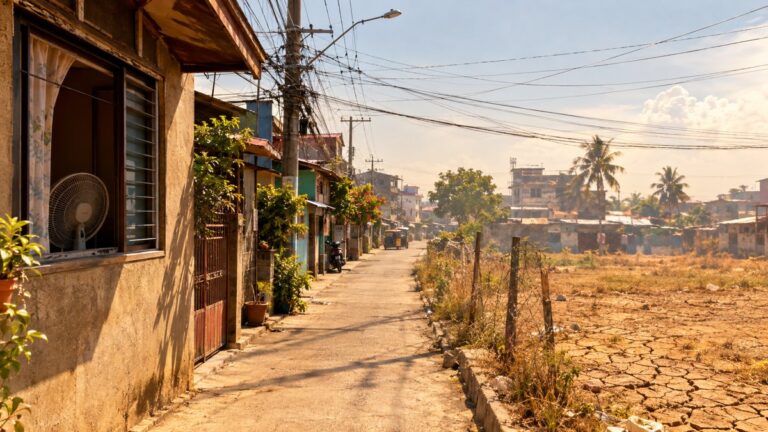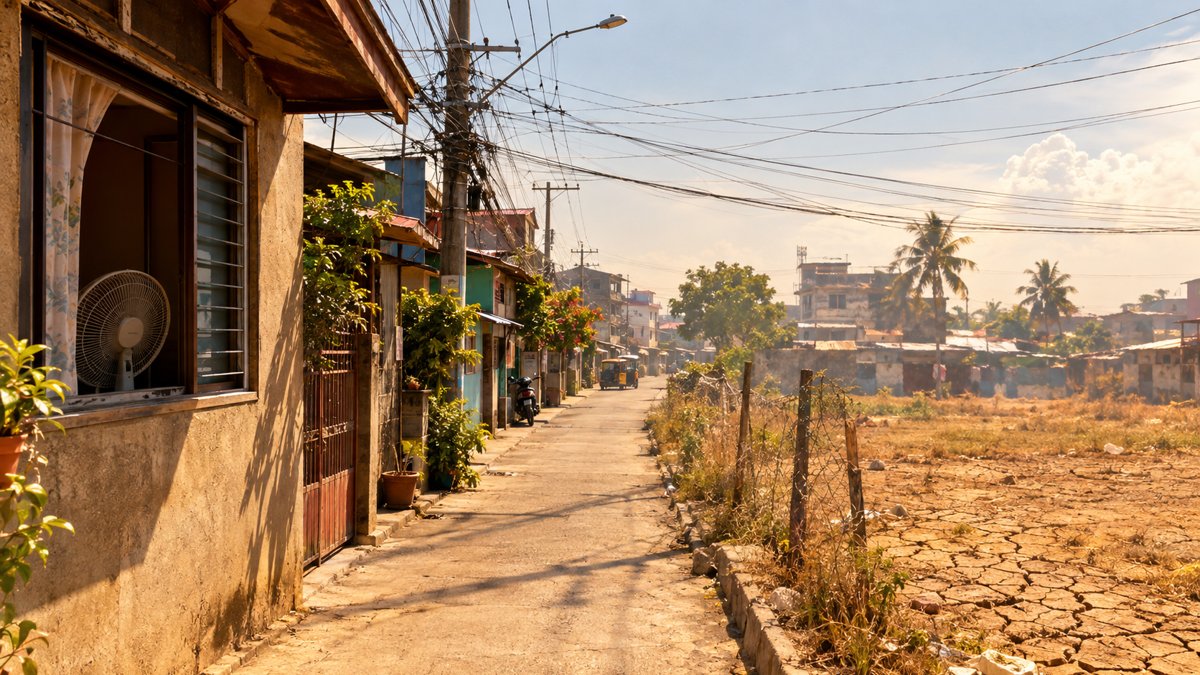
Filipino households are being told to prepare for a hot, dry stretch that could reach their electricity bills. Energy Secretary Sharon Garin warned in early October that a “super El Niño” could bring more frequent power outages and higher electricity costs. Senators are now pressing power companies not to use the weather as an excuse for unjustified rate hikes.
Here is what officials have said so far, which areas are already hit, and what families can do.
What the DOE Said
The Philippine Star reported on October 7 that Garin raised the warning on the sidelines of the 44th ASEAN Ministers on Energy Meeting. Long periods of extreme heat, she said, could strain coal-fired power plants and drain the water that hydroelectric plants depend on.
“I don’t want to be a doomsayer, but I just want to be very transparent about this,” Garin was quoted as saying.
According to the report, the Department of Energy is working with the Energy Regulatory Commission to monitor the electricity spot market and prevent possible abuse by industry players. The Star noted that in August, spot prices in the Visayas and Mindanao rose to nearly ₱20 per kilowatt-hour before the ERC stepped in to ease rates.
The Star also said the warning comes as the country deals with an ongoing energy emergency linked to the conflict in the Middle East. Garin asked the public to save electricity where they can.
Senators Warn Power Firms
Sen. Erwin Tulfo, who chairs the Senate Committee on Energy, has warned power companies against unfair rate increases and substandard service during extreme weather, BusinessMirror and the Philippine Star reported on October 12. The message to utilities is that El Niño should not become a reason to burden families with charges that cannot be justified.
How Widespread Is the Damage?
El Niño’s effects go beyond the electric meter. According to figures from the National Disaster Risk Reduction and Management Council cited by the Philippine Star:
- About 106 cities and towns in five regions were under a state of calamity because of El Niño: 66 in Cagayan Valley, 23 in Caraga, 12 in Bicol and one in Soccsksargen.
- Farm damage had passed ₱5.4 billion, with more than ₱4.9 billion of that in Cagayan Valley.
- Up to 388,375 people nationwide were affected.
- More than ₱39 million worth of food and non-food aid had gone to 24,618 families.
The same report said the Department of Health is distributing El Niño toolkits to local governments. Health Secretary Edwin Mercado was quoted as saying heat stroke, dengue, cholera and typhoid are on an upward trend during El Niño. The Philippine National Police also told commanders to make sure personnel have drinking water and protective gear, and to consider rotating shifts.
How Long Will It Last?
Officials expect a long event. The DOH said El Niño will persist until next year, and local governments are already preparing. In Muntinlupa, Mayor Ruffy Biazon revived the city’s El Niño task force to watch for water shortages, extreme heat, fires and power interruptions.
What It Means for Your Bill
Electricity bills are built from several parts, including generation, transmission and distribution charges. When supply is tight and the spot market spikes, generation costs can rise, and that is the part DOE and ERC say they are watching. Nobody has announced a specific nationwide increase. How much your own bill changes will depend on your distribution utility, your usage and regulators’ decisions.
For households, the most dependable lever is usage. The heat pushes people to run electric fans and air-conditioners for more hours, so higher consumption alone can raise a bill even if rates stay the same.
Practical Steps for Households
- Check your bill each month. Compare kilowatt-hours used, not just the peso total, so you can tell whether a jump came from usage or rates.
- Set the aircon a bit warmer and clean its filters. Use fans where they are enough.
- Unplug idle appliances and chargers.
- Run heavy appliances off-peak where you can, such as laundry in the cooler hours.
- Prepare for brownouts. Keep flashlights, power banks and drinking water ready, especially if you have elderly family members or small children.
- Watch your utility’s advisories for scheduled interruptions.
- Stay safe in the heat. Drink water and watch for signs of heat illness, which the DOH has flagged.
The Bigger Picture
The El Niño warnings land on a country already worried about prices. For families on fixed incomes, a higher electric bill competes directly with food and transport. Watch what the ERC does on spot-market prices, whether utilities seek rate adjustments, and whether the DOE moves to secure more supply before the hottest months. TPW will follow those decisions and report any rate changes as soon as regulators announce them.
Related reading: how the weak peso and rising prices affect Filipino families, the November 2026 holiday pay rules if you are counting on premium pay this month, and the best high-interest digital banks for building a buffer for higher bills.
Sources
- https://www.philstar.com/headlines/2026/10/07/2561449/doe-blackouts-higher-power-bills-loom-amid-el-nio (checked Oct 12, 2026)
- https://businessmirror.com.ph/2026/10/12/senator-warns-power-utilities-vs-exploiting-el-nino/ (checked Oct 12, 2026)
About the Author