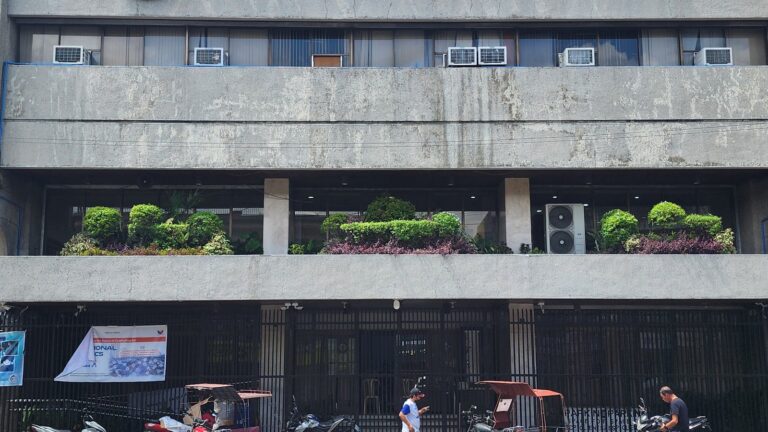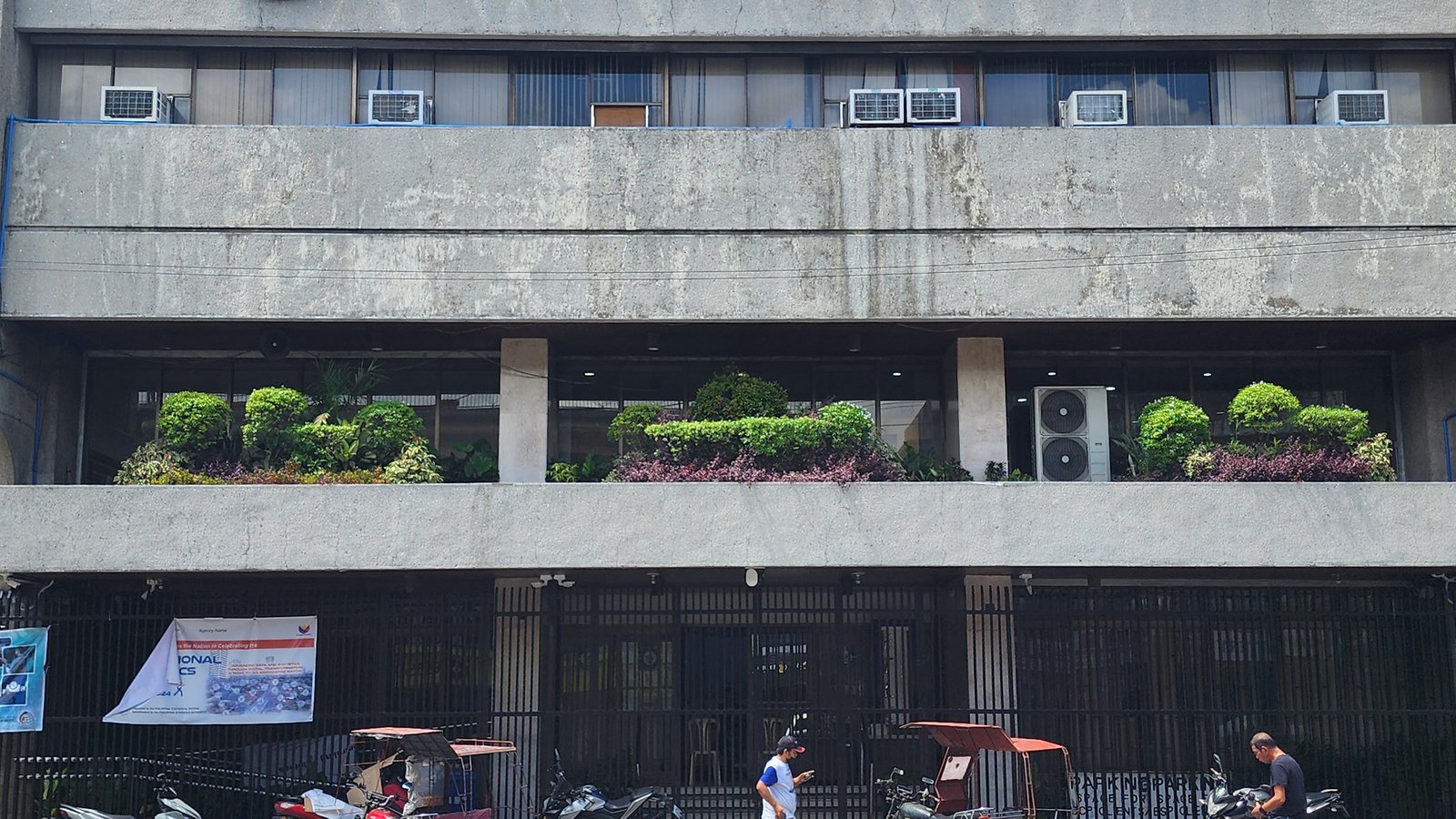
BSP building in Bacolod City. Photo by Herbertkikoy via Wikimedia Commons (CC BY-SA 4.0).
The Bangko Sentral ng Pilipinas (BSP) raised its key interest rate by a “jumbo” 50 basis points to 5.50% on Thursday, October 22, 2026, its fourth straight hike, after inflation jumped to 7.2% in September. The central bank warned that prices will rise even faster in the coming months because of oil, higher transport fares and a record El Niño, and Governor Eli Remolona Jr. said inflation could reach 8% in 2027.
For ordinary Filipinos, loans will likely get more expensive while savings may pay a little more. Here is what the BSP decided and why.
What exactly did the BSP decide on October 22?
The Monetary Board raised the target reverse repurchase rate by 50 basis points to 5.5%. The overnight deposit rate goes to 5.0% and the overnight lending rate to 6.0%, GMA News reported (October 22, 2026).
It was a bigger move than most expected. Only two of 20 economists polled by the Philippine Daily Inquirer (October 22, 2026) correctly predicted a half-point hike. The paper said the BSP’s rate increases since April now total 125 basis points.
Remolona said a “strong majority” of the Monetary Board voted for the 50-basis-point hike but did not give the exact vote, according to GMA News.
Why is the BSP raising rates again?
The short answer is prices. Headline inflation hit 7.2% in September, up from 6.1% in August and the fastest since March 2023, GMA News reported. Core inflation, which strips out volatile food and energy items, climbed to a three-year high of 4.7%, Rappler reported (October 22, 2026). That is well above the BSP’s 2% to 4% target.
“We took this decisive option because we forecast that inflation will accelerate further in the coming months, due to oil prices, transport fares, and the potential effects of El Niño on food prices,” Remolona told reporters in Manila.
In its statement, the BSP said: “Inflation is seen to accelerate further in the coming months. Average headline inflation is expected to remain high in 2027 and approach our 3.0-percent target in 2028.” It also pointed to renewed tensions in the Middle East pushing global oil prices higher.
The weak peso adds to the pressure. Rappler said the peso closed at a record low of P63.361 to the dollar on October 20. A weaker peso makes imported fuel, food and raw materials more expensive. We explained how that hits households in what the weak peso and rising prices mean for OFW families.
How high could inflation go?
The BSP kept its 2026 inflation forecast at 6.1% but raised its 2027 forecast to 6.0% from 5.4%, GMA News reported. The 2028 forecast stays at 3.3%.
Remolona said inflation could hit as high as 8% in 2027, and up to 9% for the poorest 30% of households. That last number matters most: poorer families spend a bigger share of their income on rice, food and fares, so they feel price increases first.
PAGASA has warned that the record El Niño could bring less rain through March or even June 2027. About 40 provinces are expected to get below-normal rainfall, and that could rise to 80 by January, according to GMA News.
What does a rate hike mean for your loans and savings?
When the BSP raises its policy rate, banks usually follow. That can mean:
- Higher loan costs. New housing, car, business and personal loans tend to get pricier. Borrowers with floating-rate loans may see higher payments when their rates reset.
- Better returns for savers. Deposit and time-deposit rates can creep up. If your money sits in a low-interest account, compare options in our guide to the best high-interest digital banks in the Philippines.
The catch is that higher rates do not fix the cause of this inflation. Rappler noted that much of it comes from supply problems, including bad weather hitting food production, global oil prices and El Niño, which monetary policy cannot directly control.
Is the economy strong enough to take it?
That is the big worry. Rappler reported that economic growth already slowed to just 2.3% in the second quarter of 2026. Higher borrowing costs can slow spending and investment further.
The slowdown comes more than a year after the flood control corruption scandal, which a Philstar column (October 22, 2026) said “spooked investors and nearly paralyzed the economy.” The Marcos administration’s budget troubles are not over either. The Palace is still contesting the Supreme Court ruling on unprogrammed funds, which we covered in Palace to ask SC to reconsider ruling voiding the 2024 and 2025 budgets.
Will the BSP hike rates again?
Possibly. The Monetary Board’s last scheduled meeting this year is on December 17, 2026. “The BSP stands ready to take further monetary policy action as necessary,” Remolona said. BPI lead economist Emilio Neri Jr. expects another 25-basis-point increase in December, which would bring the rate to 5.75% by year-end, Rappler reported.
FAQ
How many times has the BSP raised rates in 2026?
This is the fourth straight increase. Hikes since April total 125 basis points, according to the Inquirer.
What was the inflation rate in September 2026?
7.2%, the highest since March 2023, matching the April 2026 level.
When is the next BSP rate decision?
December 17, 2026, the Monetary Board’s last scheduled policy meeting of the year.
Sources: Bangko Sentral ng Pilipinas statement and briefing, October 22, 2026, as reported by GMA News Online (October 22, 2026), Rappler (October 22, 2026) and the Philippine Daily Inquirer (October 22, 2026). Photo: BSP building in Bacolod City, by Herbertkikoy via Wikimedia Commons (CC BY-SA 4.0).
About the Author