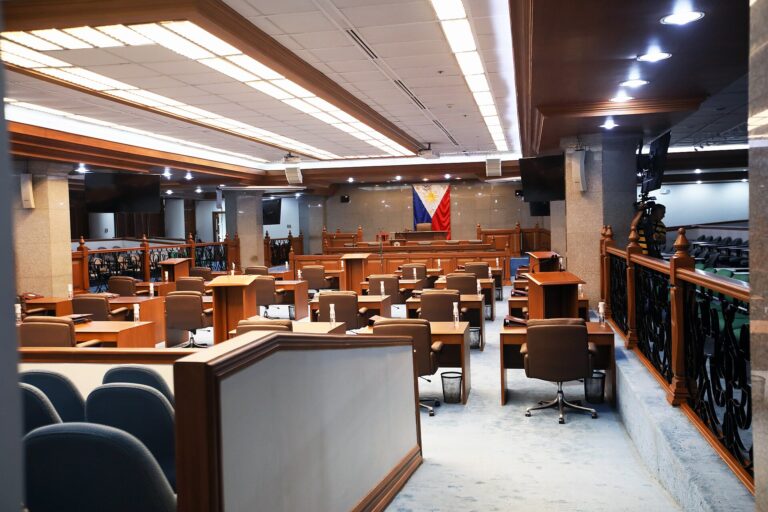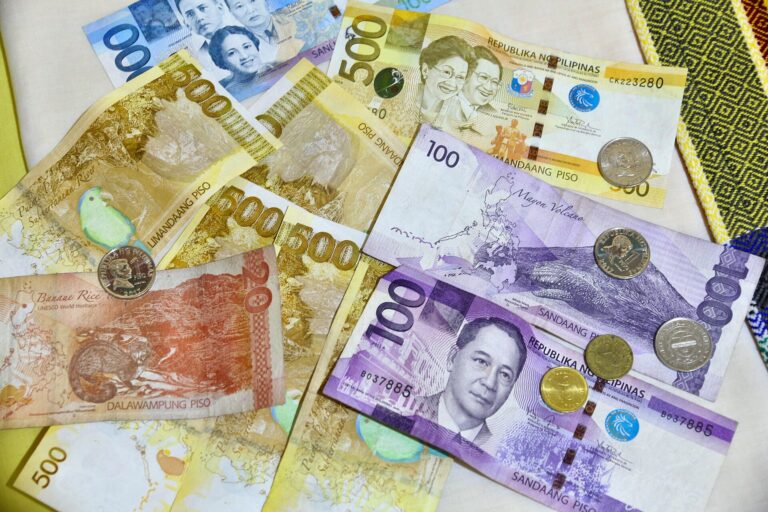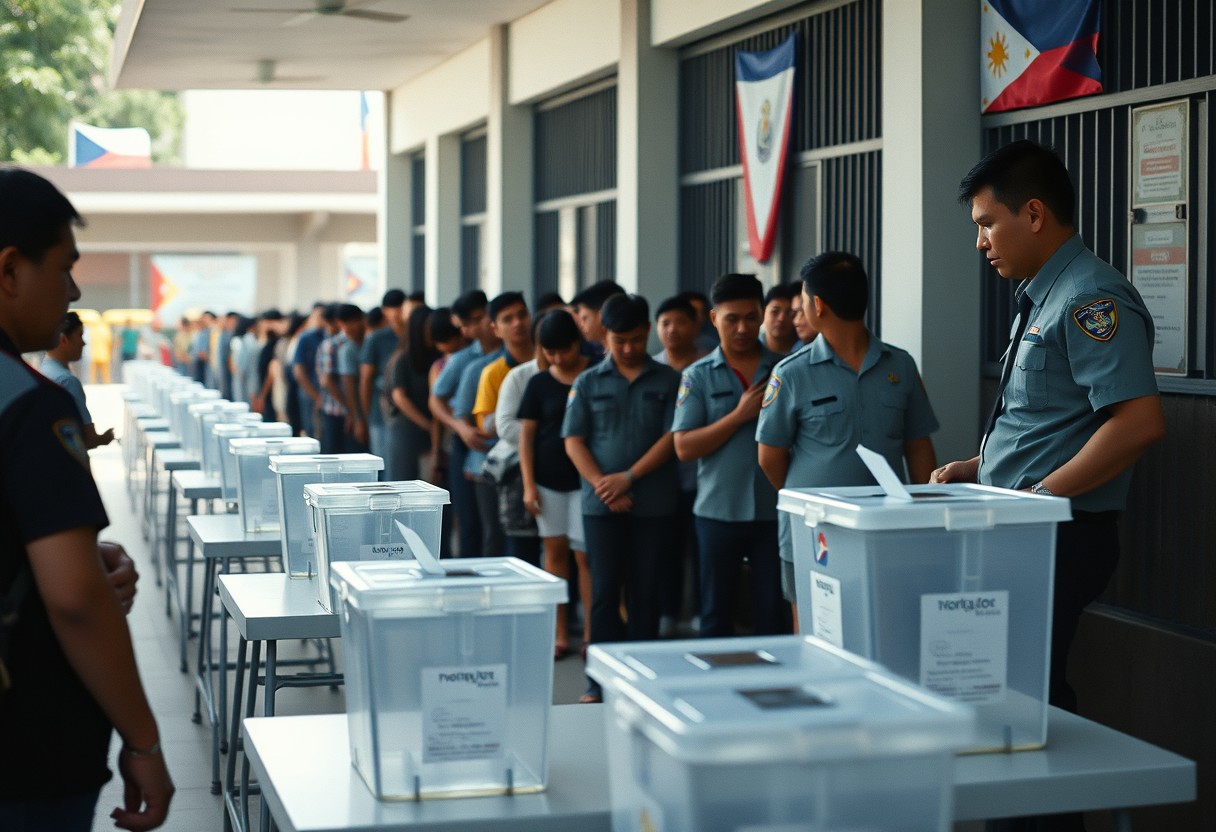
In the shifting currents of Philippine politics, a consistent pattern emerges every election cycle: candidates who project strength, authority, and control tend to gain widespread support. Despite decades of democratic institution-building, many voters remain drawn to leaders who promise swift action, strict enforcement, and visible control over public life. This preference is not merely a reaction to crime or corruption but reflects deeper currents in social memory, cultural values, and lived experience. The appeal of discipline and order transcends policy platforms, tapping into long-standing expectations of how power should function in society.
Historical experiences, from colonial rule to martial law, have shaped collective attitudes toward governance, embedding a familiarity with centralized authority. Everyday realities-overcrowded cities, inconsistent services, and unpredictable systems-amplify the allure of decisive leadership. When institutions appear slow or indifferent, the image of an unyielding figure restoring clarity and structure becomes compelling. This dynamic does not suggest a rejection of democracy but reveals how democratic choices are filtered through inherited norms and immediate needs. The persistence of this voting behavior demands closer examination of what people truly expect from their leaders.
The Ancestral Shadow of the Strongman
Long before colonial maps were drawn, the figure of the Datu loomed large across the archipelago’s social fabric. These pre-colonial chieftains governed not through democratic mandate but through lineage, charisma, and demonstrated strength. Their authority was personal, often absolute within their domains, and rooted in a communal understanding that leadership meant protection and order. This historical memory persists beneath the surface of modern political consciousness, shaping expectations of how power should look and feel. The idealized Datu-wise, decisive, paternal-lives on in the public imagination, making room for leaders who project similar traits, even within a constitutional republic.
Contemporary candidates frequently invoke this ancestral archetype, not by name but through gesture, rhetoric, and symbolism. They appear at village centers with arms outstretched, settle disputes with a single pronouncement, or speak of national unity as if it were a family affair. Such performances resonate because they echo an older grammar of rule, one where justice is immediate and authority is visible. The state may be bureaucratic, but the voter often seeks something more intimate-a leader who feels like a guardian from an earlier time. In moments of uncertainty, this emotional continuity outweighs policy nuance.
The Myth of the Great Father
A recurring narrative in Philippine politics casts the nation as a household in need of firm parental guidance. This myth positions the ideal leader not as a servant of the people but as a patriarch whose stern love ensures stability. Voters, especially in rural provinces, often describe preferred candidates in familial terms-“he’s like a father to us” or “she treats us like children.” These are not idle metaphors but reflections of deep-seated cultural frameworks where hierarchy brings comfort. Authority figures who embody discipline without cruelty, who punish fairly and provide generously, fulfill a psychological role beyond governance.
This emotional contract between leader and populace operates independently of institutional checks. When a politician speaks of “disciplining” the nation or cleansing society “like a parent disciplines a child,” the appeal lies in its familiarity. The model assumes moral clarity, swift action, and unquestioned control-all attributes associated with the mythic father. Historical failures of such leadership rarely dismantle the myth, because the desire is not primarily for results but for reassurance. In times of disorder, the promise of paternal oversight offers a narrative of coherence, even if the reality proves otherwise.
Colonial Legacies of Centralized Power
Spanish rule entrenched a system where authority flowed downward from a singular center, weakening local autonomy and elevating centralized command. The friar-state alliance turned governance into a top-down enterprise, where obedience was expected and dissent framed as rebellion against both God and Crown. This structure mirrored and amplified the pre-colonial Datu’s dominance, transforming it into a more rigid, hierarchical form. The colonial subject learned early that power was not negotiated but received, often through spectacle and fear.
American administrators later introduced democratic institutions, yet retained a strong executive framework that preserved centralized control. The presidency, modeled partly on the U.S. system but adapted to local conditions, became a vessel for concentrated authority. Over time, Filipinos came to expect transformative change from one individual rather than from systems or processes. This expectation echoes colonial patterns where salvation-whether spiritual or civic-was delivered from above. The machinery of democracy exists, but the habit of deferring to a central figure remains deeply wired.
The Baroque Chaos of the Modern Street
Life in the urban Filipino center unfolds in a dense, kinetic rhythm where traffic piles up for hours, vendors spill onto sidewalks, and delivery motorcycles weave through gridlocked lanes with near-ritualistic defiance. This everyday disorder-unpredictable, exhausting, yet strangely familiar-shapes how people perceive governance. The sheer physical toll of navigating broken systems conditions a deep-seated longing for control, for someone who can impose clarity on the noise. Order, even when imagined as rigid or harsh, begins to feel like relief rather than repression.
Markets overflow into roads, jeepneys dart without signals, and traffic enforcers wave ineffectually at the tide of vehicles. These scenes are not merely inconveniences; they form a daily narrative of ungoverned space. In this environment, efficiency becomes a fantasy, and predictability a luxury. Citizens caught in this loop absorb the message: only forceful intervention can cut through the clutter. The appeal of discipline grows not from ideology, but from the body’s fatigue after years of negotiating chaos.
The Psychology of the Traffic Jam
Stuck in a motionless vehicle under the midday sun, a commuter measures time not in minutes but in rising frustration. Horns blare without effect, engines idle, and tempers fray as the street becomes a stage for collective helplessness. This recurring experience does more than waste time; it erodes a sense of personal agency. People begin to equate movement with power, and stagnation with failure-both personal and national.
Each traffic jam reinforces the feeling that no one is truly in charge. Rules exist on paper, but in practice, they are bent, ignored, or improvised. This gap between order and reality wears down public patience. When politicians promise to “fix” traffic with decisive action, they tap into a visceral memory of being trapped, powerless, and late-not just for work, but for life itself. The desire for swift, unquestioned authority emerges not from admiration for power, but from years of sitting still in a broken machine.
The Street as a Theatre of Lawlessness
On any given corner in Metro Manila, the boundaries between legal and illegal blur. Pushcart vendors occupy bus stops, delivery bikes block intersections, and makeshift stalls emerge overnight on cleared sidewalks. No single actor breaks the law with malice; each operates within an unspoken compromise born of necessity. Yet the cumulative effect is a cityscape that feels unmanaged, where compliance is the exception rather than the rule.
This visible disarray does not provoke rebellion but resignation-and sometimes, admiration for those who claim to restore control. When authorities sweep through with bulldozers or batons, clearing streets in a single operation, the destruction of livelihoods is often overshadowed by public approval. The spectacle of enforcement, however harsh, reads as proof that someone can still say “no” and be obeyed. In a world where every inch of public space is contested, the image of command becomes its own kind of promise.
The Fatigue of the Liberal Experiment
Years of promised democratic reforms have yielded little tangible change for many Filipino voters. Despite institutional safeguards and expanded civil liberties, corruption remains entrenched, public services stagnate, and political dynasties persist under new labels. The machinery of liberal democracy, designed for accountability and debate, often appears sluggish in the face of urgent needs like poverty, crime, and infrastructure decay. This gap between expectation and outcome has eroded trust, making the procedural rigor of democracy seem like a luxury rather than a solution. Many citizens now view prolonged deliberation not as a sign of maturity but as evidence of paralysis.
Disillusionment has grown particularly sharp among those who once championed transparency and rule-of-law initiatives. Grassroots advocates, media watchdogs, and reform-oriented professionals have seen their efforts absorbed or deflected by established power structures. When anti-corruption campaigns dissolve into partisan squabbles or legal technicalities, the public takes note. A quiet resignation sets in-a sense that good intentions are no match for systemic inertia. In this climate, the appeal of decisive leadership is not just emotional; it feels pragmatic. Efficiency, even if centralized and unchallenged, begins to look like progress.
Institutional Inertia and Public Fatigue
Government agencies continue operating with outdated protocols while citizen demands evolve rapidly. Bureaucratic delays in basic services-from land registration to health care access-reinforce the perception that institutions serve themselves more than the people. Court cases drag on for decades, policy rollouts stall amid interdepartmental disputes, and legislative agendas prioritize political survival over public welfare. These patterns are not hidden; they are lived daily by millions who must navigate red tape just to secure livelihoods. Over time, such experiences wear down faith in process and procedure.
Citizens increasingly associate democratic processes with delay and indecision. When typhoons strike or economic shocks hit, waiting for consensus feels untenable. The image of a leader who can bypass committees and cut through red tape gains traction not because people reject democracy outright, but because they crave responsiveness. A barangay official who acts without waiting for higher approval often earns more respect than a senator with perfect voting records. This ground-level calculus shapes voter priorities in ways that formal governance models often overlook. Speed, not scrutiny, becomes the measure of competence.
The Perception of Elite Capture
Many Filipinos believe that democratic institutions primarily protect the interests of a narrow elite. Supreme Court rulings, election outcomes, and budget allocations frequently appear to favor well-connected families and corporate entities. Even when reforms are passed, their implementation often benefits urban professionals or middle-class constituencies, leaving rural and low-income communities behind. This uneven distribution of democratic dividends fuels skepticism about whether the system was ever intended to serve everyone equally.
Scandals involving wealthy lawmakers shielding allies or using legal loopholes deepen the impression of a rigged game. Ordinary voters notice how the powerful rarely face consequences, while minor infractions by the poor draw harsh penalties. This double standard undermines the moral authority of democratic norms. For those excluded from influence, discipline enforced from above-however heavy-handed-can seem fairer than a supposedly open system that consistently excludes them. The promise of equal treatment under law rings hollow when justice clearly has different prices.
The Digital Alchemy of Nostalgia
Social Media as a Time Machine
Platforms like Facebook and TikTok have become archives where selective memories of the past are not just preserved but amplified. Grainy footage of parades, old news reels of infrastructure projects, and curated images of orderly public spaces circulate widely among Filipino users, often stripped of their original context. A single video of students saluting the flag during martial law can evoke a sense of national cohesion that feels absent today. Algorithms favor content that triggers emotional engagement, and nostalgia for perceived stability fits perfectly into this design. Younger Filipinos, many born decades after the fall of authoritarian rule, encounter these fragments as if discovering hidden truths. The repetition transforms isolated moments into evidence of a broader, calmer era. What was once contested history now appears as common memory, shaped less by textbooks than by daily scrolling.
The Curation of Disciplined History
Memory is no longer shaped solely by elders or classrooms but by the silent logic of content moderation and algorithmic preference. Posts glorifying past regimes often emphasize cleanliness, punctuality, and obedience-qualities framed as lost virtues. These depictions rarely mention censorship or human rights abuses, instead focusing on surface-level order. Influencers with large followings post side-by-side comparisons: traffic chaos today versus empty, pristine highways in the 1970s. Such imagery appeals to a generation frustrated by bureaucratic inefficiency and urban decay. The past becomes a filtered backdrop for present anxieties, recast not as dictatorship but as discipline. Historical complexity dissolves into aesthetic. In this reconstructed timeline, authority figures appear not as oppressors but as architects of peace. The result is a soft revisionism, not through force, but through endless, gentle repetition.
The New Proletariat and the Desire for Form
A younger generation of Filipino voters, raised amid rapid urbanization and digital connectivity, increasingly associates structured governance with tangible outcomes. For many, the chaos of open-ended democracy has yielded neither steady jobs nor reliable public services. What they seek now is not ideological purity but predictability-systems that function with mechanical consistency, where rules are enforced and time translates directly into reward. This cohort does not romanticize authoritarianism, but it does view disciplined institutions as scaffolding for upward mobility. In call centers, delivery logistics, and export manufacturing, daily routines depend on precision and compliance. These experiences shape a political preference: a state that operates like a well-managed enterprise, where effort is met with measurable return.
Order has become a proxy for opportunity. When traffic flows on time, when permits are processed without delay, when salaries arrive without dispute, the machinery of life appears to work. This perception strengthens the appeal of leaders who project control, not charisma. The new proletariat does not demand freedom from oversight, but freedom from uncertainty. Their ideal is not an open society in the abstract, but a functional one-where discipline at the top ensures stability at the bottom. In classrooms and job training programs, young Filipinos are taught to follow protocols, meet deadlines, and climb ranks through persistence. They carry these values into their political choices, favoring candidates who promise structure over spontaneity, and efficiency over debate.
Economic Stability through Strict Governance
Many young Filipinos view strict governance as a prerequisite for economic reliability. In an environment where informal work dominates and social safety nets remain thin, the promise of a predictable system carries immense weight. They observe how countries with tightly regulated labor markets and consistent policy enforcement deliver steady growth and lower volatility. This observation translates into domestic expectations: a government that enforces contracts, maintains infrastructure, and ensures public order is seen as one that protects livelihoods. When leaders emphasize discipline in budgeting, law enforcement, and bureaucratic operations, they appeal to a generation that equates consistency with survival.
Discipline in governance often translates into visible results-punctual public transport, efficient tax processing, and reliable utilities. These are not abstract ideals but daily necessities for those building careers in competitive sectors. A factory worker values consistent shifts, a ride-share driver depends on unobstructed roads, and a student preparing for overseas employment seeks a system that rewards preparation. For them, economic progress is not sparked by revolutionary change but sustained by routine. The appeal of rigid systems lies not in their severity, but in their capacity to minimize disruption. When the state functions like a clock, individuals can plan, save, and advance-conditions that make strictness feel less like constraint and more like support.
The Meritocracy of the Ordered State
An ordered state is often perceived as a fairer one, where advancement depends on effort rather than connections. In a society where patronage has long dictated access to jobs and services, the idea of a system that treats everyone the same holds strong appeal. Young Filipinos entering the workforce see merit as their primary asset, and they favor institutions that reward punctuality, performance, and perseverance. When rules are uniformly applied, the playing field appears less tilted. This belief fuels support for leaders who emphasize accountability, standardized procedures, and performance-based promotions within government and public services.
Schools, military training programs, and corporate workplaces often serve as models of this ideal. In these environments, compliance and diligence are rewarded with rank, salary increases, or certification. The expectation is that the state should operate similarly-transparent, rule-bound, and indifferent to status. For a generation accustomed to digital platforms where achievements are tracked and ranked, the allure of an impersonal but consistent system is strong. They do not seek a state that coddles, but one that measures fairly. In this view, order is not the enemy of progress, but its foundation-where discipline enables not control, but the possibility of genuine upward movement.
The Primitive Urge for a Guardian
Security, in its most visceral form, often outweighs procedural justice in the minds of many Filipino voters. When streets feel unstable and institutions appear distant, the demand for a visible authority figure intensifies. This impulse is not rooted in ignorance but in lived experience-when crime spikes or when neighbors disappear under suspicious circumstances, people respond to presence, not policy. A leader who projects strength, who is seen patrolling at night or issuing swift commands, becomes a symbol of restored control. The image of order, even if performative, calms anxiety more effectively than constitutional guarantees ever could. In moments of uncertainty, the body registers safety through visibility, not through the slow mechanisms of due process.
History reinforces this inclination, where periods of chaos have often been followed by public relief at the arrival of a dominant figure. Colonial rule, martial law, and insurgencies have all shaped a cultural memory where survival was tied to the presence of a decisive hand. The state, in its ideal form, may promise equality and rights, but in practice, many citizens measure governance by whether they can walk home without fear. When legal systems move too slowly or seem to favor the powerful, the appeal of a leader who bypasses red tape to deliver immediate results grows. This is not a rejection of justice per se, but a prioritization of survival over structure.
The Fear of the Lawless Other
Crime, in the public imagination, is rarely an abstract concept-it takes the shape of a masked man on a motorcycle, a stranger in a dark alley, or a neighbor rumored to be on drugs. These figures become vessels for broader anxieties about disorder, especially in communities where police response is inconsistent. The fear is not only of victimization but of a world where no one enforces boundaries. When the state fails to visibly contain this threat, people begin to crave a force that does so without hesitation. The language of human rights feels hollow to someone who has lost a relative to a random act of violence. In such moments, restraint in law enforcement is interpreted as weakness, not principle.
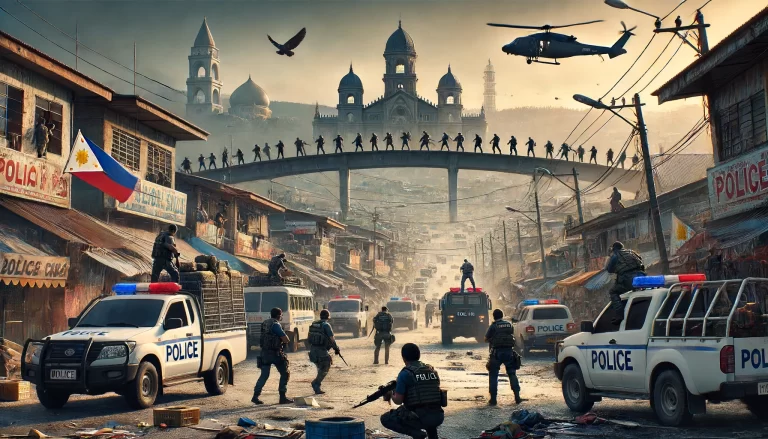
This perception fuels support for leaders who promise to eliminate the threat decisively, even at the cost of due process. The so-called “lawless other” is not always clearly defined, but their existence justifies extraordinary measures in the eyes of many. Vigilante justice, extrajudicial actions, or sweeping anti-crime campaigns gain legitimacy because they offer a cathartic sense of retribution. The ballot, in this context, becomes a tool to authorize force-not because voters despise law, but because they associate law with delay and impotence. The desire is not for tyranny, but for a shield between themselves and the chaos they see just beyond the streetlight.
The Ballot as a Search for a Protector
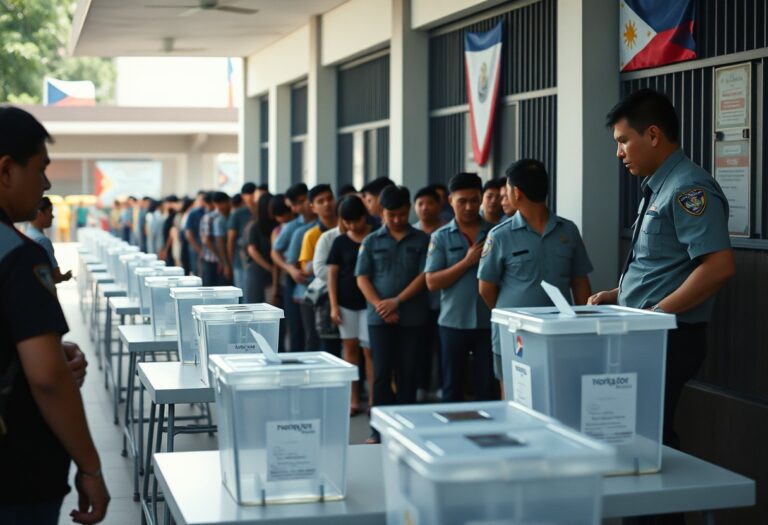
Voting, for many Filipinos, functions less as an act of civic deliberation and more as a plea for safeguarding. In neighborhoods where gunfire is not uncommon and where justice rarely arrives, the election cycle becomes an opportunity to install a guardian. This is not a passive surrender to authoritarianism but an active selection of someone perceived to wield power decisively. The candidate who speaks softly of reform often loses to the one who stands tall in a police uniform or boasts of cracking down on criminals. The message is clear: competence is measured by results, not by adherence to process.
People do not vote solely on ideology or platform; they vote based on how safe they feel when a particular leader speaks. A firm voice, a stern gaze, a reputation for toughness-these become proxies for reliability. When institutions fail to project strength, individuals step in to fill the void, and the electorate rewards them for it. The ballot box, in this light, is not a mechanism of liberal democracy alone but a ritual of collective self-preservation. Choosing a leader becomes synonymous with choosing survival, and protection, in its most immediate form, wins over principle every time.
Final Words
The enduring appeal of discipline and order in Philippine elections reflects a deep-seated cultural memory shaped by generations of instability, colonial rule, and political fragmentation. Many voters associate visible authority with safety, predictability, and national pride, often equating loud demonstrations of control with effective governance. This inclination is not merely a reaction to crime or corruption but a psychological response to decades of broken institutions and unmet promises from democratic processes. When leaders project firmness-through rhetoric, policy style, or symbolic actions-they tap into a collective yearning for structure that feels immediate and tangible, even when long-term results remain uncertain.
A mid-sized SaaS firm operating in Metro Manila observed that customer service teams began citing political figures during internal meetings as examples of decisive action, revealing how deeply these values permeate everyday thinking. Such references were not ironic but illustrative of a broader societal norm: clarity through hierarchy is trusted more than ambiguity through debate. In communities where survival often depends on personal networks and quick resolutions, the idea of a leader who cuts through red tape resonates more than procedural fairness. The persistence of this preference suggests that electoral outcomes will continue favoring candidates who embody control, regardless of ideological consistency, because for many Filipinos, order is not abstract-it is felt.
About the Author