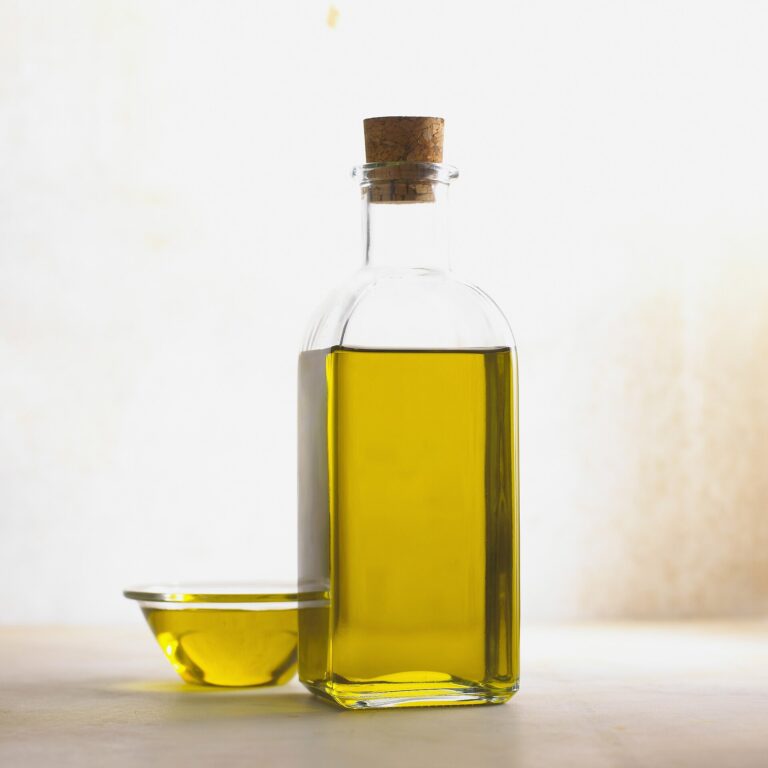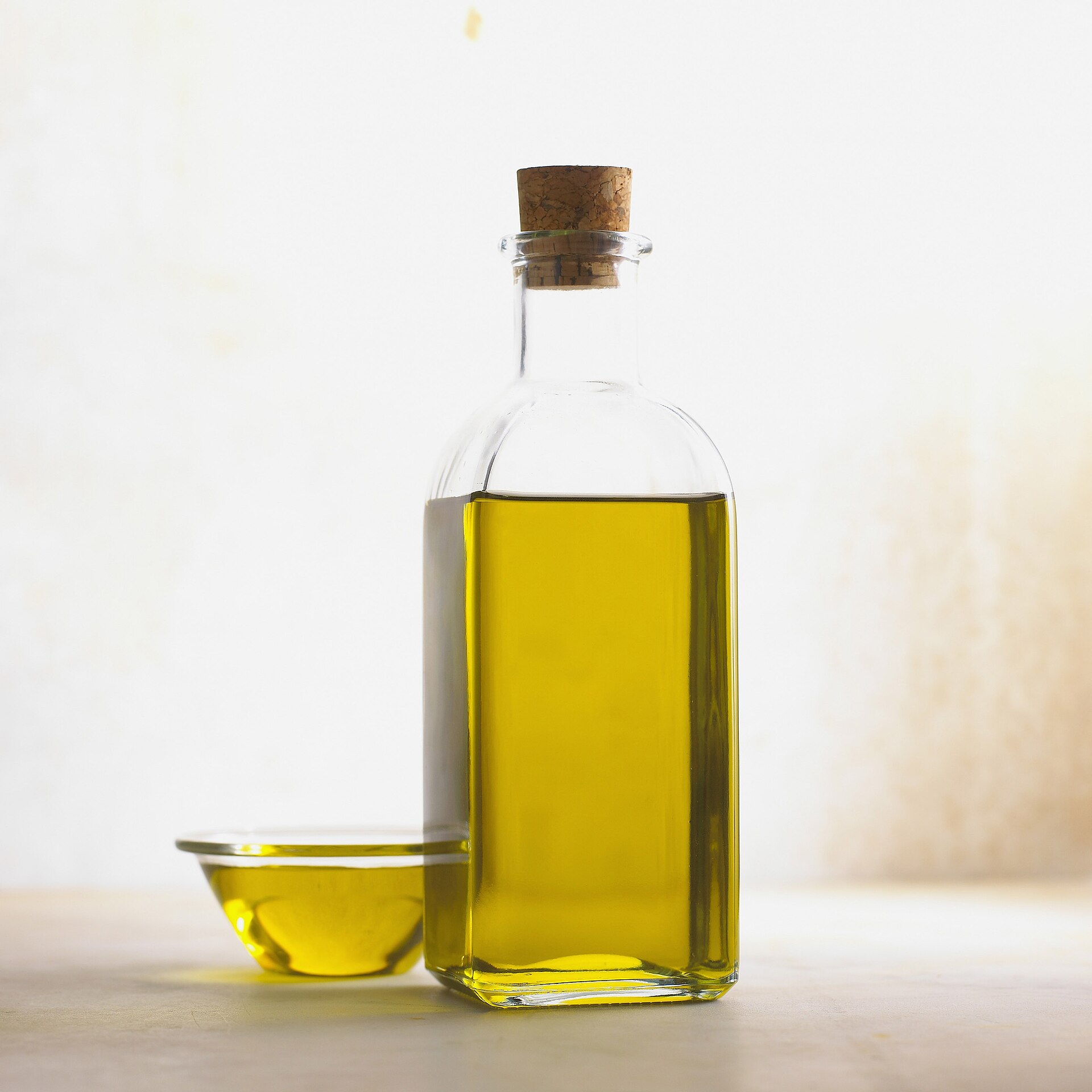
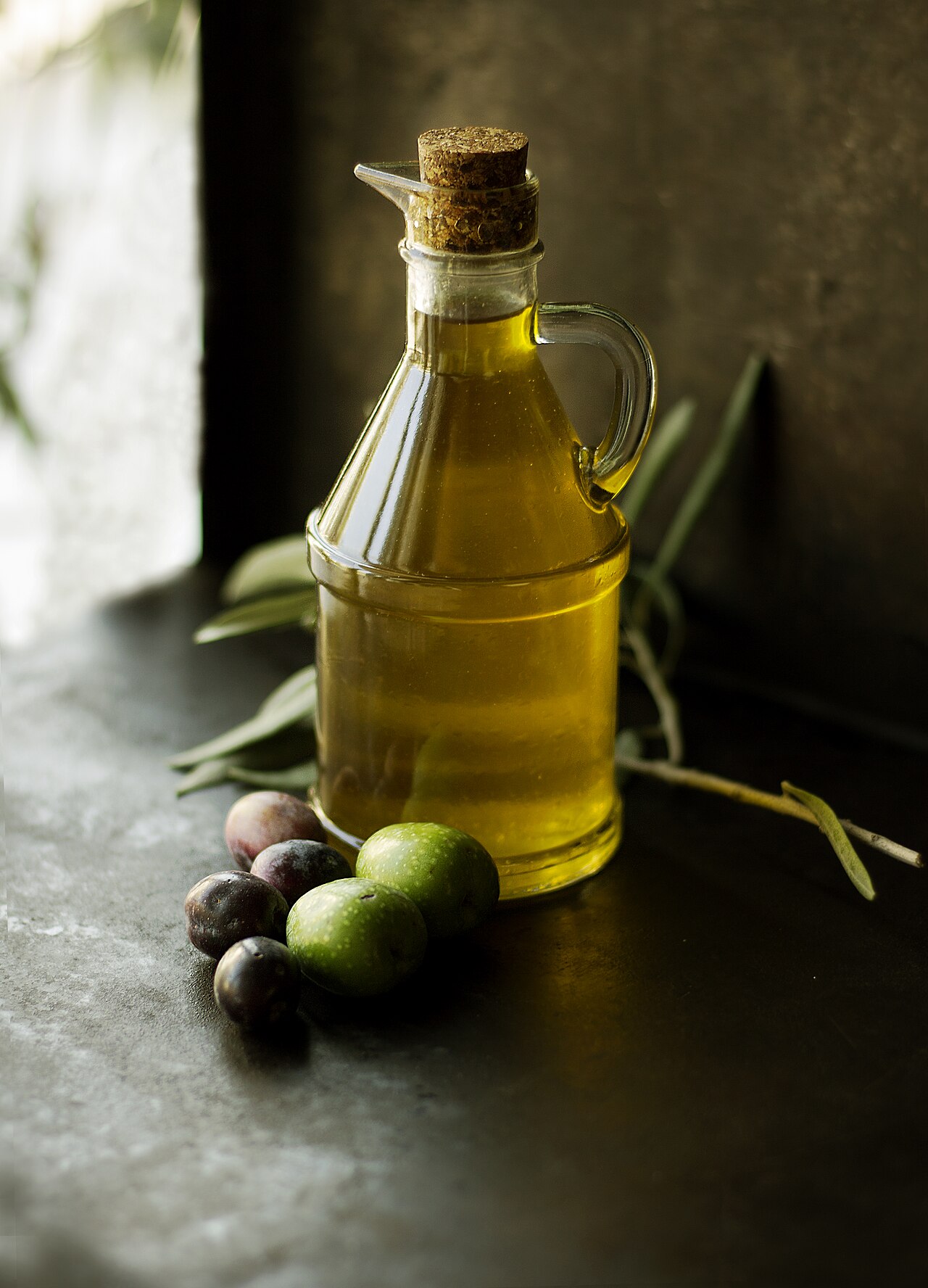
A bottle of olive oil. Photo: margenauer via Pixabay (CC0), via Wikimedia Commons.
What the Word “Pure” Really Means
You grab a bottle labelled “pure” olive oil and assume you bought the best. Not so fast. A UC Cooperative Extension document says refined olive oil can be labelled “olive oil,” “pure olive oil” or “light olive oil.” Here is how to read the shelf before you buy.
Some links may be affiliate links; we may earn a small commission.
Extra Virgin, Pure and Pomace Explained
The International Olive Council (IOC) lists these categories: extra virgin olive oil, virgin olive oil, lampante virgin olive oil, refined olive oil, olive oil and olive pomace oils. Virgin oils come from olives solely by mechanical or other physical means, with no treatment other than washing, decantation, centrifugation and filtration.
Extra virgin sits at the top. The IOC says it is a virgin olive oil fit for consumption as it is, with a free acidity of not more than 0.8 grams per 100 grams. The UC document, which is older and cites a 2003 IOC standard, adds that a certified taste panel must find it not defective and with some fruitiness. Virgin olive oil is slightly lower in quality. Because the UC document is old, check the label and the current IOC standard rather than relying on exact thresholds.
Refined olive oil is made from virgin oils by refining and is usually odorless, tasteless and colorless. The grade simply called “olive oil” is a blend of refined and unrefined virgin oils, and the UC document says it “represents the bulk of the oil sold to the consumer on the world market.”
Pomace oil is a different animal. It is made by treating olive pomace, the milling leftovers, with solvents and then refining it. The final product is a blend of refined pomace oil and virgin olive oil, and the UC document says “In no case shall this blend be called ‘olive oil’.” The author describes it as usually bland, with a greasy feel in the mouth.
Cooking Versus Finishing
Good news for everyday cooks: UC Food Quality says olive oil can be used for cooking. Smoke points range from 347°F (175°C) to 464°F (240°C), depending on grade, quality and freshness, comparable to oils such as canola, rice bran and high-oleic peanut. It also says good quality extra virgin olive oil has natural antioxidants that are resistant to heat.
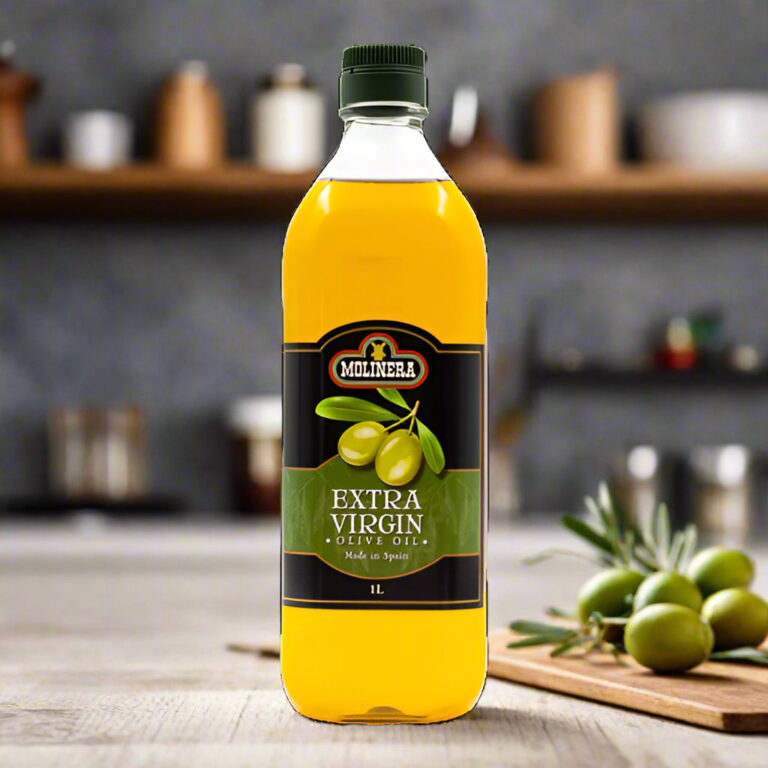
Finishing is different. If you want flavour you can taste, reach for extra virgin olive oil and drizzle it on at the end. Bulk Bayan, an online bulk grocer, lists Molinera Extra Virgin Olive Oil 1L, for example. Dan Flynn of the UC Davis Olive Center says the flavour should be fruity and often a bit bitter, with a pungent, peppery sensation. The UC extension document adds that refined oils are popular for frying because of their high smoke point and low cost.
Refined and “pure” oils have lost much of their colour, flavour, aroma and antioxidants, UC Food Quality says, while extra virgin keeps more of the olive’s phenolics and antioxidants because it is minimally processed. All grades have healthy properties, though.
How to Read the Label
Start with the grade words: extra virgin, olive oil, pomace. Then look for a harvest date. UC Food Quality says you cannot judge a good extra virgin by colour or packaging, and advises: “Instead of paying too much attention to the color or the packaging, look for a harvest date on the package, which gives information about the freshness of the oil.”
Next, check the container. Dark glass, tinplate or stainless steel cans and bag-in-box protect oil best from light and air, UC says, while clear plastic bottles protect least. Buy in the year of harvest, the University of California advises. Fresh oil is made somewhere year-round: October to January in the Northern Hemisphere and April to June in the Southern Hemisphere, among others.
Finally, ignore the “light” label as a diet clue. UC Food Quality says light olive oil is not lower in calories. All oils have 9 calories per gram, or 120 calories per tablespoon. “Light” only refers to oils that were refined, removing most colour, flavour and aroma.
Keeping Olive Oil Fresh in a Warm Kitchen
If your kitchen runs warm, storage matters. Olive oil does not get better with age, UC Food Quality says; given enough time, all olive oils turn rancid from oxidation. Research found extra virgin olive oil has a longer shelf life at 59°F (15°C) than at 77°F (25°C).
Store it somewhere cool and dark. The IOC advises keeping olive oil away from excessive heat, air, humidity and, above all, light. Buy a size you can finish within weeks or a few months after opening, because once opened more oxygen gets in and the oil oxidizes faster.
The fridge is fine. UC Food Quality says storing oil in the fridge or freezer is not harmful. It may turn cloudy or solidify in the cold, which is normal because of natural waxes and does not affect quality or safety. Cloudiness or sediment do not mean the oil has gone bad.
Mistakes to Skip
Do not assume colour or packaging equals quality. Skip oversized bottles you cannot finish within a few months of opening, and keep the oil away from heat and light. When you shop for olive oil and other pantry staples, check the grade and harvest date.
About the Author