Lawyers for former President Rodrigo Duterte have asked the International Criminal Court to put a hard ceiling on the prosecution’s evidence dump—capping the case record at 10,000 items—after disclosure ballooned from a few thousand confirmation materials into tens of thousands of documents and media files.
The motion, filed with Trial Chamber III on September 25 and made public over the weekend, does not seek an outright postponement of the November 30, 2026 trial date. It asks for triage: a manageable record that the defense can actually read, test, and answer.

From 5,275 to 62,130
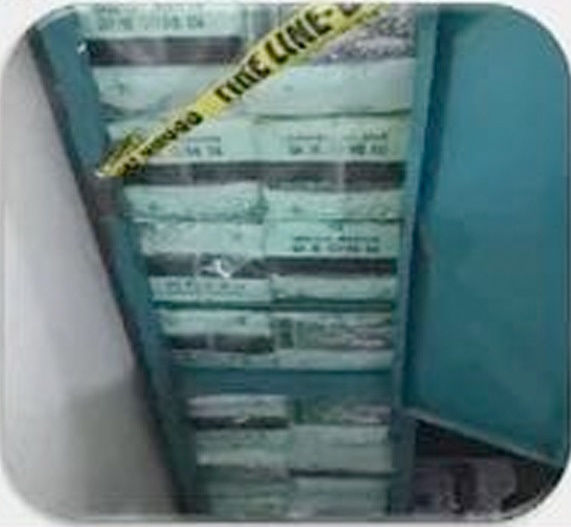
According to the defense, prosecution disclosure has grown from 5,275 items at the confirmation stage to 62,130 items—roughly 320,000 pages plus about 1,000 audiovisual files.
Defense lead counsel Peter Haynes put a blunt number on the workload: about 16,000 person-hours if counsel spent only three minutes on each page. That is not a rhetorical flourish; it is a capacity argument. A fair trial, the defense says, requires time and focus—not an avalanche.
What the motion asks
Haynes’s team wants Trial Chamber III to set a new maximum for the case record: 10,000 items, with a deadline of October 7 for the prosecution to get there.
The defense also wants exculpatory material and triaged Rule 77 disclosure included in that disciplined set—not buried under volume. In plain terms: include what helps the accused as well as what hurts him, and sort the rest so the chamber and the parties are not drowning in paper.
Crucially, the filing does not ask the court to cancel or postpone the November 30, 2026 trial. The defense is arguing for a fairer, tighter record on the existing timeline—not a walk-away from the calendar.
Why fairness, not delay, is the frame
Supporters of the former president have long argued that The Hague process must not become a conviction by paperwork. A prosecution that multiplies its disclosure twelve-fold after confirmation invites the obvious question: can any defense team—however well staffed—meaningfully test every page before trial?
That is the fairness argument Haynes is putting on the record. It is not a claim that the chamber has already ruled; it is a motion asking the judges to intervene on volume and triage.
Readers should note the distinction. No public ruling from Trial Chamber III on this September 25 motion is part of this report. What is public is the defense ask: cap at 10,000, include exculpatory and Rule 77 material, keep the November 30 trial date in view.
What happens next
- Trial Chamber III must decide whether to grant, modify, or deny the 10,000-item cap and the October 7 deadline;
- The prosecution’s response will show whether it accepts triage or defends the full 62,130-item disclosure;
- The November 30, 2026 trial date remains the calendar the defense is not asking to scrap.
For Filipinos following the case—especially those who believe due process travels with the accused even to The Hague—the motion is a test of whether the ICC will treat volume as a substitute for proof. The defense has drawn the line at 10,000. The chamber will draw the next one.
Reporting based on Manila Times (Franco Jose C. Baroña, September 27, 2026) and Philstar (Janvic Mateo / Kristine Dag).
About the Author