Graphic: The Philippines Web
Disclosure: This guide contains affiliate links. TPW may earn a commission if you buy through them, at no extra cost to you.
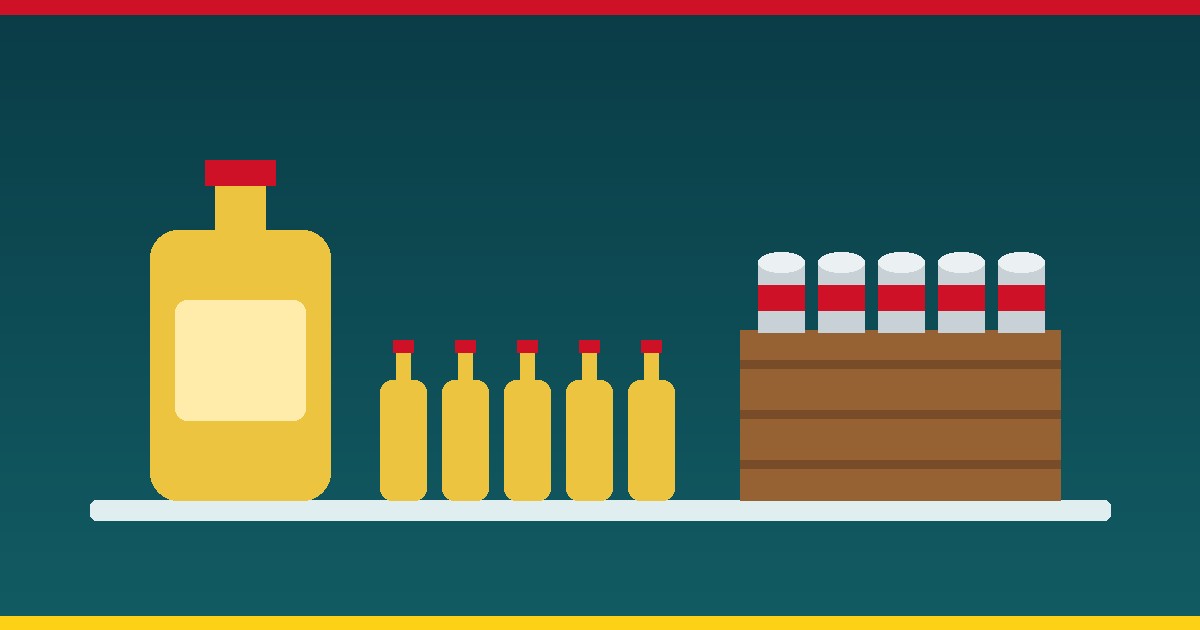
A bigger box is not a guaranteed ticket to savings. Buying in bulk is often cheaper per unit for shelf-stable staples, but not every large pack is a better deal. A bigger bottle can cost more per litre, and a giant tin of sauce can spoil in the fridge before the family finishes it. With grocery bills still climbing, the only reliable test is the unit price, plus an honest answer to one question: will you use it up before it goes off?
Why This Matters for Your Household Budget Right Now
Headline inflation reached 7.8 percent in October 2026, according to Philippine Statistics Authority figures released on November 5. That is the highest rate since February 2023.
Food inflation (food items only) eased to 6.4 percent from 6.8 percent the month before, but some staples are still climbing fast: rice inflation hit 20.7 percent. When every peso has to keep the pantry stocked, real savings on the goods you use every week free up cash for other bills and keep your emergency fund intact.
The 30-Second Unit-Price Check
The most useful skill you can bring to a grocery aisle or an online checkout takes thirty seconds and a phone calculator. Divide the price by the weight in kilos or the volume in litres. The answer is the price per kilo or per litre.
Compare like for like: the same brand, the same variant, the same quality. If you are buying online, add the shipping fee or your fare to the bigger pack before you do the maths. A five-litre bottle of oil weighs far more than a one-litre bottle, and a heavier parcel can cost more to deliver, eating into the savings on the sticker price. Hauling a case home from the supermarket yourself? Our foldable trolley guide looks at whether one is worth it.
Worth Buying by the Case: When the Big Pack Wins
Bulk works best for shelf-stable items your household uses every week: cooking oil, canned tomatoes, canned fish, and rice if you have dry, pest-free storage.
Start with oil. At Bulk Bayan, Molinera Extra Virgin Olive Oil 5L is ₱3,753, which works out to ₱750.60 per litre (3,753 ÷ 5). The same brand in a 1L bottle is ₱880. Five 1L bottles would cost ₱4,400, so the 5L saves ₱647, about 15 percent, before shipping. The catch is freshness: the big bottle only pays off if your household or small food business uses all five litres while the oil is still fresh.
Canned tomatoes tell a similar story. Capri Peeled Tomatoes 2.55kg is ₱417, or ₱163.53 per kilo. The 800g can is ₱138 (₱172.50 per kilo) and the 400g can is ₱73 (₱182.50 per kilo). The big can is about 10 percent cheaper per kilo than the 400g.
Tomatoes are a high-acid canned food, though. Once the big can is open, move what is left into a separate container in the fridge and use it within days, or freeze it in portions. This size suits big batches of spaghetti sauce, afritada or caldereta for a party. For holiday menus, see our Noche Buena 2026 on a Budget guide. For a quick dinner for two, much of it may go to waste.
Not Worth It: When Bulk Loses
Bulk stops making sense the moment the bigger pack costs more per unit. Take HealthPlus 100% Vegetable Palm Oil: the 2L bottle is ₱307, or ₱153.50 per litre, while the 1L bottle of the same oil is ₱150. Reach for the bigger bottle and you pay more per litre.
Skip bulk, too, for perishables you cannot finish before they spoil, such as fresh produce or sauces that need using soon after opening.
Bulk is also a bad deal if the only place to keep it is above the stove, under the sink, or anywhere hot and damp, because high heat raises the risk of spoilage. And never trust a “bundle” or “sale” label on its own. Until you have run the unit-price check, a red tag does not prove you are paying less per kilo.
Storage Rules That Protect Your Savings
A cheap case is no bargain if it goes bad first. US food safety guidance says high-acid canned foods such as tomatoes and fruit can be stored unopened for 12 to 18 months. Low-acid canned foods such as meat, fish and most vegetables can keep for two to five years, if the can is in good condition and stored somewhere cool, clean and dry.
Keep pantry stock away from the stove’s heat and the damp under the sink. Our olive oil buyer’s guide covers how Philippine heat affects cooking oils. Check your stock regularly and throw out any can that is dented, bulging, leaking or heavily rusted.
How to Split a Case
If a case is a clear win but too big for your shelves, split it. Share it with a neighbour, a sibling or relatives in a paluwagan-style group buy. Divide the total cost by the weight or volume, and each household pays for exactly the kilos or litres it takes home.
Frequently asked questions
Is buying in bulk always cheaper?
No. Sometimes the larger pack costs more per unit than the regular size. The only way to know is to work out the price per litre or per kilo before you buy.
How do I compute price per kilo?
Divide the price by the weight in kilos. A 2.55kg can at ₱417 works out to 417 ÷ 2.55, or about ₱163.53 per kilo.
How long do canned goods last?
Unopened high-acid canned foods such as tomatoes and fruit can be stored for 12 to 18 months. Low-acid canned foods such as meat, fish and most vegetables can keep for two to five years if the can is in good condition and stored somewhere cool, clean and dry. Throw out cans that are dented, bulging, leaking or rusted.
Does Bulk Bayan offer pickup?
No. Bulk Bayan ships by courier from Quezon City only. There is no pickup.
Sources
- Philippine News Agency, Gov’t to strengthen food production, provide support to sectors affected by high fuel costs
- GMA News, Inflation rises to 7.8% in October
- Philstar, Fuel, transport costs push inflation to 7.8% in October 2026
- Rappler, Inflation surges to 7.8% in October 2026 as fuel prices, fares climb
- USDA FSIS, Steps to Keep Food Safe
- USDA FSIS, Shelf-Stable Food Safety (PDF)
Prices checked: 13 November 2026. Unit-price calculations are TPW’s own arithmetic from those prices.
About the Author